One year ago, my phone rang in California at what I knew was 2:00 a.m. in Afghanistan. It was the country director of Nutrition & Education International, the non-profit food aid organization I founded 18 years ago and lead as president. “Dr. Kwon, Zemari is no longer with us,” he told me. “Zemari has died with his children due to a drone strike.” In my immediate shock, this news hardly made any sense at all.
Zemari was one of the first six people NEI ever hired. He grew up poor, like many Afghans, and started with us in 2006 as a handyman. He never attended school for formal training, but was extraordinarily smart, a gifted electrical engineer, and he became a key leader in our small organization. NEI’s concept was simple: If we could go to poor villages in Afghanistan with high mortality rates among women and children, and teach farmers how to cultivate protein-rich soybeans and consume them at home, they could help save their malnourished families. By 2019, we had successfully built a national infrastructure for sustainable soy value-chain development in Afghanistan. None of this would have been possible without Zemari.
After I got off the phone, I couldn’t stop thinking about how a good person, working to make his country a better place, could die like this, at the hands of my own government. I could still hear Zemari’s laugh so distinctly. He loved to tell jokes, and we laughed so much together. For over a decade, he and I spent countless hours traveling together, eating meals together, and talking about our families, our work, the world, and life. We were so close that my wife and I considered him our Afghan son.
The day after the strike, our country director visited the scene. It was gruesome, he told me; he could still see pieces of human flesh. In addition to Zemari, the strike killed all three of his sons and six members of his extended family. His two brothers and sister-in-law lost four children under the age of seven, while Zemari’s step-daughter lost her own daughter, a sweet little girl who was barely two years old. The 10th victim was Zemari’s nephew, Naser, a breadwinner for his branch of the family, who was only in Kabul at all to pick up a U.S. Special Immigrant Visa, for which he was eligible because he risked his life working with the U.S. military. He had hoped this visa would help get him and his family to safety.
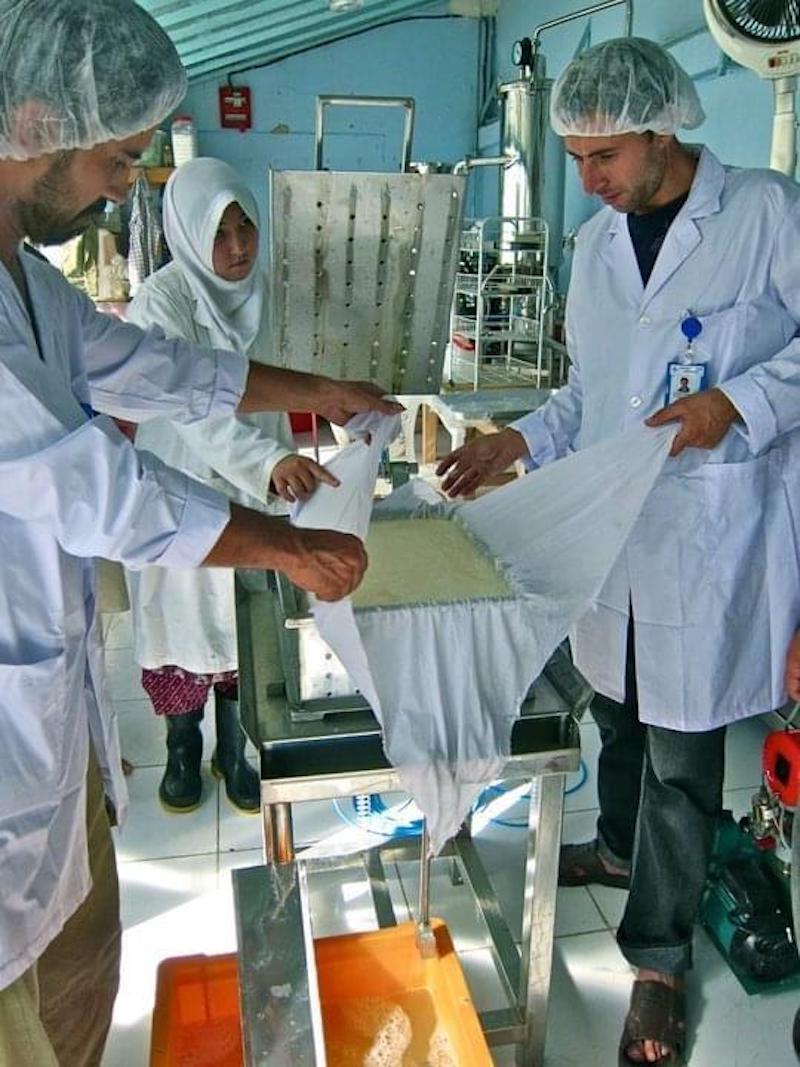
Zemari
Credit: Nutrition & Education International
The Pentagon originally claimed the strike was “successful” and “righteous,” because it allegedly killed ISIS operatives, but NEI’s own investigation and those of prominent American media outlets quickly dispelled that falsehood. With our country director’s help, I located the people that Zemari spoke to that day while going about his work—people at the police station, the refugee camp, the bank. All of them said he was his usual optimistic and joyful self. We reviewed the security camera footage, and hours later, we saw a video of Zemari doing exactly what the guard had said: Packing up and loading large bottles of water into his car trunk to bring home for his family— not explosives as claimed by the Pentagon. Weeks later, the head of U.S. Central Command, called the strike a “tragic mistake” and confirmed innocent civilians were indeed killed in the attack.
Knowing that he was killed by my government over water bottles left me devastated. Then and there, I promised Zemari I would take care of his family and achieve justice. I saw this as my moral responsibility in return for his dedication and loyalty to NEI, to his country, and to his family. NEI has been paying the daily living and education expenses of Zemari’s wife and daughter for the past year to be sure they are cared for.
It’s still unbelievable to me how many people were irreparably harmed and how many families’ lives were shattered because of this wrongful strike. A legal team led by the ACLU represents approximately 144 surviving family members and NEI employees. Within months, we documented for the U.S. government the security risks they were facing, and since then, we have beseeched the government to coordinate their safe evacuation to the United States.
Sadly, today, only 11 of the 144 people the government promised to help are in the United States. Thankfully, 110 more have been safely evacuated, currently in third countries awaiting immigration processing, But, shamefully, 32 others — including Zemari’s wife and his daughter — are still in Afghanistan. Without even a timeline for evacuation, those still stuck are losing hope and trust in the U.S. government’s promises.
Most of the survivors were already at risk when the Afghan government fell. Like Naser, many of Zemari’s family members and NEI colleagues previously worked for the Afghan or U.S. governments in Afghanistan. But any hope they had of maintaining a low profile was lost with this strike. The U.S. government’s false ISIS allegations forced many of Zemari’s grieving family and NEI colleagues to publicly proclaim their innocence, painting targets on their back.
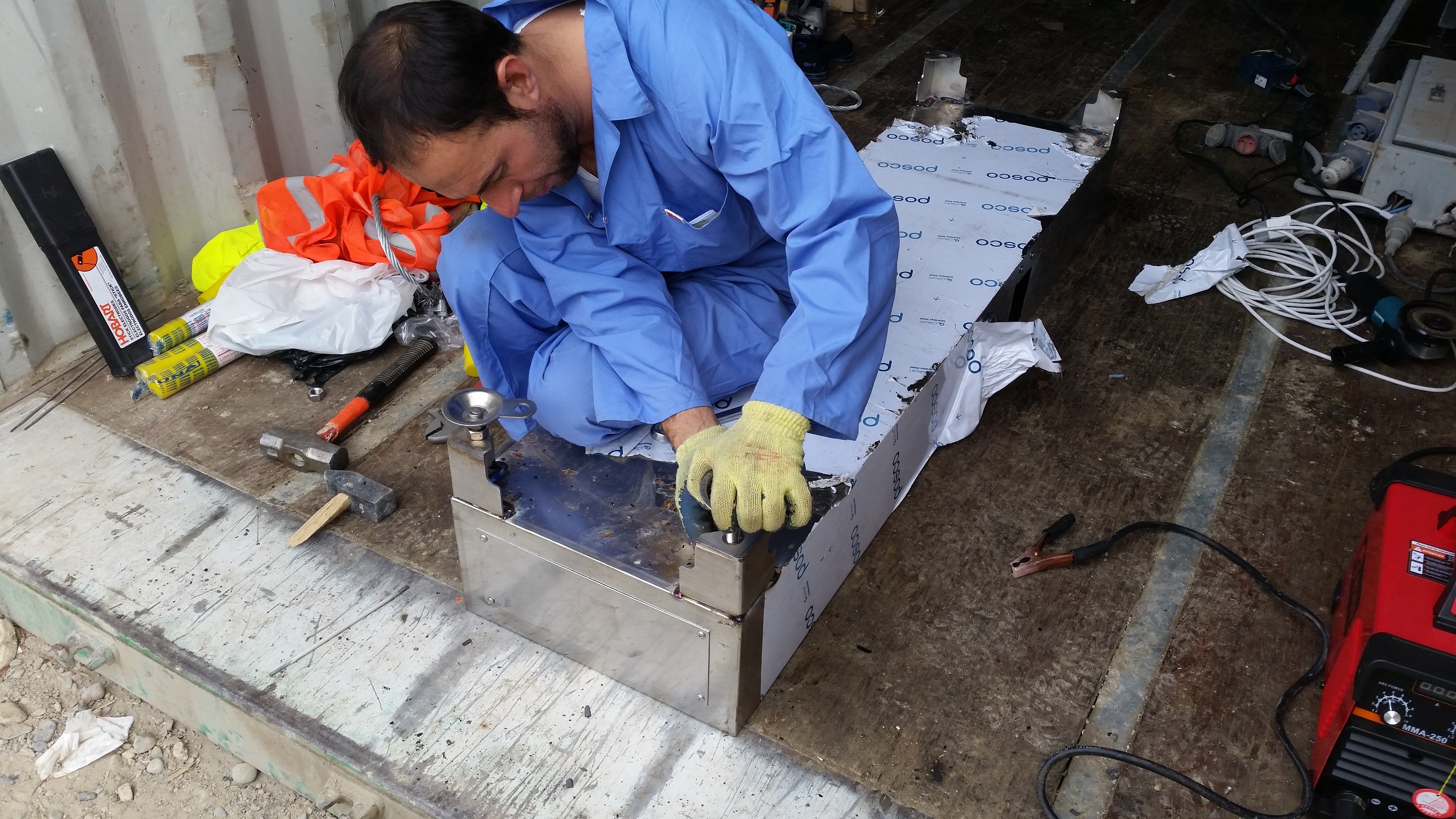
Zemari
Credit: Nutrition & Education International
My country director cried during one of our calls, telling me that after the drone strike, he prayed that if he was killed, it would be when he was alone so at least his daughters would be spared. What kind of prayer is that? To kill me when I am alone and not with my family members?
Zemari was a proud father who spoke constantly about building a better future for his seven children. Nothing can bring him, his three sons, or his six nieces and nephews back, but the U.S. government can and must help the innocent people whose lives they destroyed by bringing them to safety and helping them rebuild their lives. On the one-year anniversary of the strike, I’m hoping my government will finally keep its promise and quickly evacuate all the survivors and their families.
Comments
Post a Comment