
The Supreme Court’s docket this term includes many of the complex issues American society is currently facing, including: immigration, free speech, religious liberty, LGBTQ rights and voting rights.
The ACLU has served as counsel or filed friend-of-the-court briefs in all of the cases addressing these hot-button issues. In addition to its official docket, the court will also decide cases on its “shadow docket,” or emergency docket, that touch on contentious issues like immigration enforcement and birthright citizenship.
Below, read more about key cases on the court’s main and emergency docket, including what they mean for the future of our civil liberties.
LGBTQ RIGHTS
U.S. v Skrmetti
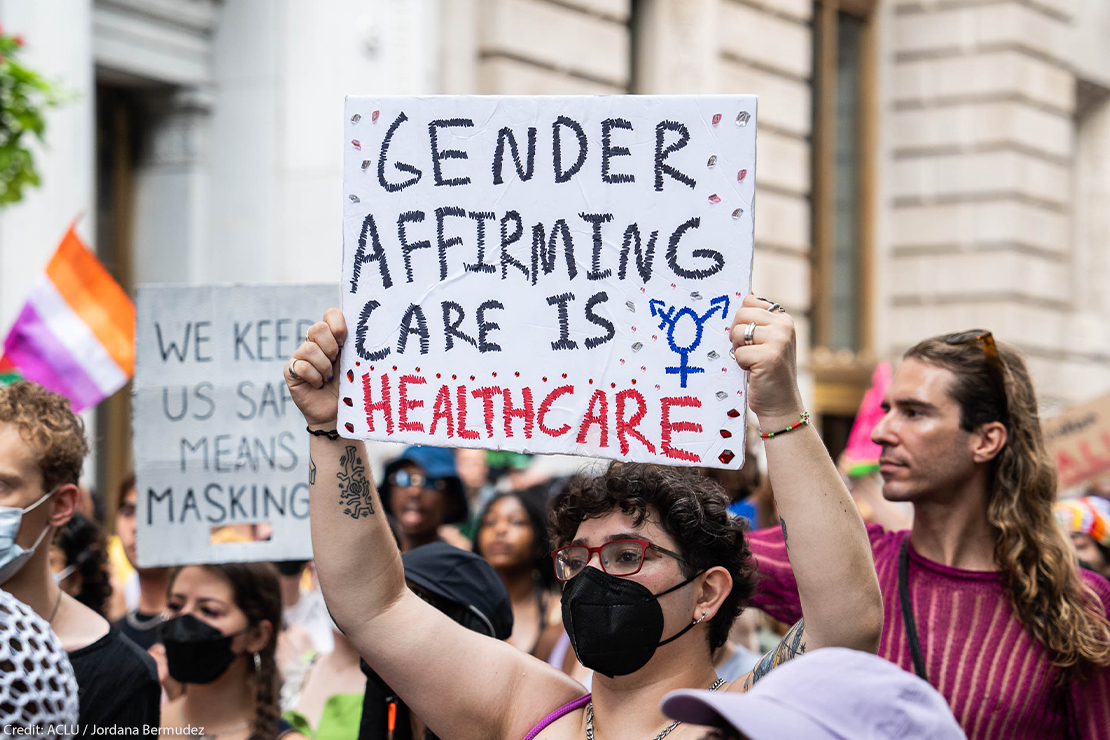
The Facts: The question in this case is whether Tennessee’s law banning gender-affirming hormone therapies for transgender minors violates the Equal Protection Clause of the US Constitution.
Our Argument: The ACLU argues that Tennessee’s ban is a clear example of discrimination on the basis of sex and transgender status making it a violation of the Equal Protection Clause of the 14th Amendment of the Constitution.
We made a similar argument in 2020 when, alongside other legal advocates, we successfully argued in front of the Supreme Court on behalf of LGBTQ clients fired because of their sexual orientation and gender identity, including a transgender woman fired from her job at a Michigan funeral home. In a 6-3 ruling, the Supreme Court ruled in favor of LGBTQ workers and found “it is impossible to discriminate against a person for being homosexual or transgender without discriminating against that individual based on sex” and therefore discrimination against LGBTQ workers was impermissible sex discrimination under Title VII, the federal law prohibiting sex discrimination in employment.
Why it Matters: In this case, the Supreme Court must now decide whether states can ban medical treatment for transgender youth with gender dysphoria, but not whether they must. If the court finds Tennessee’s law constitutional, the immediate impact on access to these treatments will be limited to the two states where the bans are already in effect.
Importantly, when arguing against transgender people and their families, states with bans like Tennessee’s have relied heavily on the Supreme Court’s opinion Dobbs v. Jackson Women’s Health Organization, which overturned Roe v. Wade and allowed states to ban abortion. U.S. v. Skrmetti will be a major test of how far the court is willing to stretch Dobbs to allow states to ban other health care. The court’s ruling could serve as a stepping stone towards further limiting access to abortion, IVF, and birth control.
FREE SPEECH
FSC v. Paxton
The Facts: The court must decide if a Texas law that forces people to share personally identifying information — potentially including a picture of themselves, biometric scans, or their government ID — before they can access websites that host some amount of sexual content is a violation of the First Amendment.
Our Argument: This law threatens all of our First Amendment rights, regardless of age. It reflects the government’s distaste for specific topics and messages–those about sex–and so it has to pass a very strict test to satisfy the First Amendment. The government argues that the law just has to be reasonable since its goal is to protect kids, but accepting that argument could open the door to all manner of speech regulation – and it doesn’t even actually protect kids. Pornography is often the canary in the coalmine when it comes to protecting free speech.
While proponents of age-verification laws liken them to showing your ID before buying pornography in person, the reality of online age verification is much more invasive. In the physical world, age-gating is easy, but the online version of this process is far more burdensome, time-consuming, and risky.
Why it Matters: Texas’s age-verification law is another insidious attempt to dismantle our right to access information — and to express ourselves freely.
Forcing people to identify themselves to access information online threatens the internet’s very spirit, and it compromises our rights to privacy and free speech without preventing children from accessing porn. In an age marked by data breaches and digital surveillance, linking your identity to your browsing history will inevitably discourage speech—and if that is deemed okay for sexual content, it could keep spreading to any number of other topics or mediums. Several states have already passed similar laws restricting access to social media for minors, and if those regulations continue to pass, the future of the internet looks a lot more fenced in.
RELIGION
Mahmoud v. Taylor
ACLU / Yousef Sindi
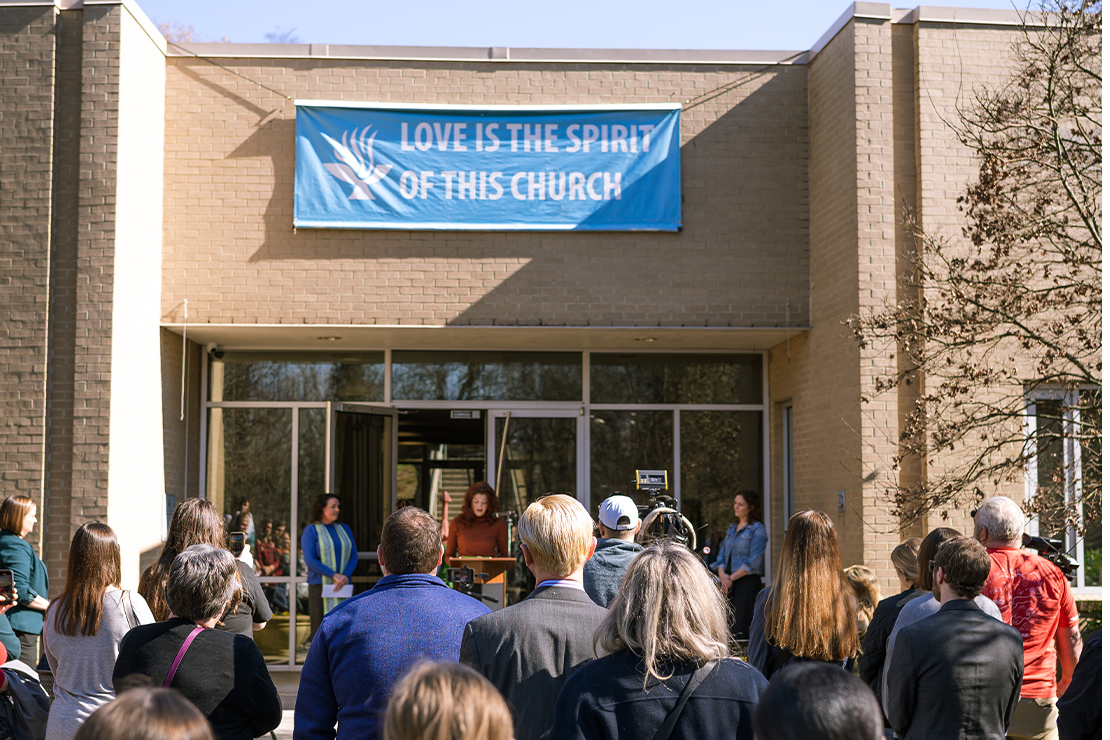
The Facts: This case asks whether a Maryland school district’s refusal to allow parents to opt their children out of an LGBTQ-inclusive English curriculum a violation of parents’ free-speech, free-exercise, and substantive-due-process rights under the U.S. Constitution and Maryland law.
Our Argument: In a friend-of-the-court brief, we argue that the “no opt-out” policy does not violate parents’ free exercise First Amendment rights. Although the school district previously allowed opt-outs for any reason from portions of the English Language Arts curriculum featuring storybooks with LGBTQ characters and themes, the growing number of opt-outs proved to be disruptive and divisive. Teachers were forced to divert time and resources to create alternative lessons for students who opted out, and many students simply did not attend school at all for the day. In addition, the opt-outs stigmatized LGBTQ students and those with LGBTQ family members.
Why it Matters: Religious liberty is fundamentally important, but it doesn’t force public schools to exempt students from secular lessons that don’t align with their families’ religious views. Mandating opt-outs would wreak havoc on public schools, tying their hands on basic curricular decisions, stoking divisiveness and disruption, and undermining a core purpose of public education — to prepare students to live in our pluralistic society.
VOTING
Robinson v. Callais/Louisiana v. Callais
ACLU / Janie Osborne
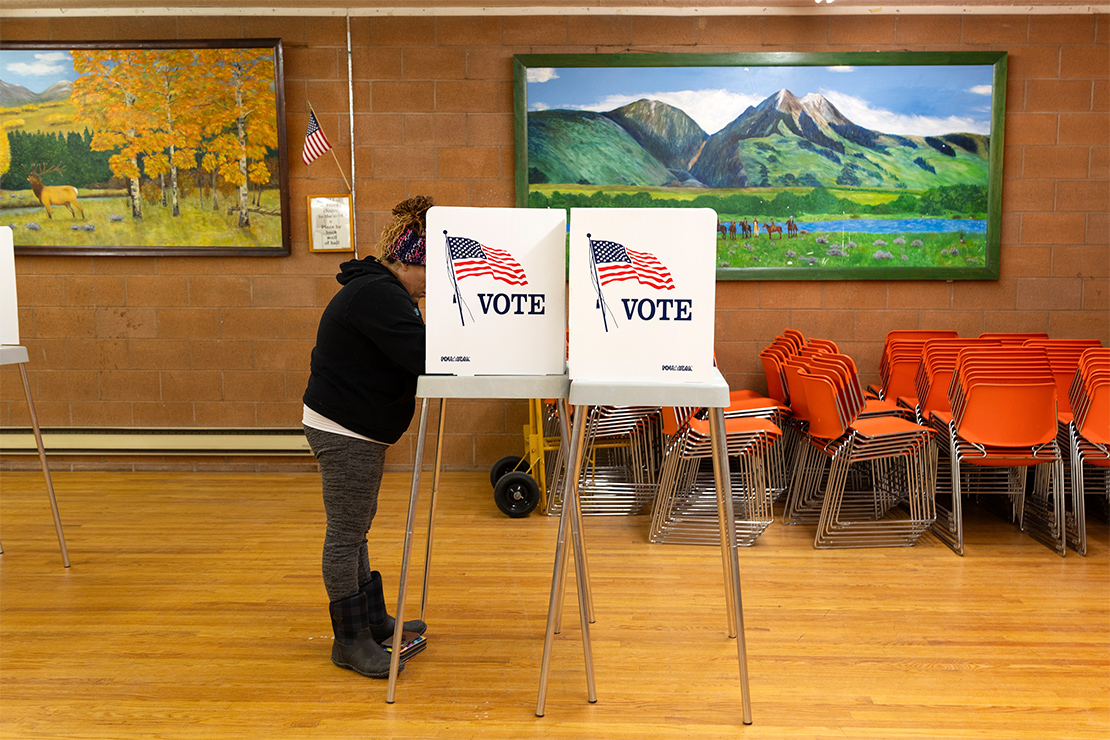
The Facts: In this case, the Supreme Court will determine whether Louisiana's congressional map, which now includes two majority-Black districts, constitutes a racial gerrymander.
Our Argument: With such a significant Black population in Louisiana, it's imperative that the state’s congressional districts mirror this demographic reality to ensure fair representation. Simply put, the new map allows Black voters to elect candidates who genuinely represent their communities' concerns and interests. This aligns with the Voting Rights Act, which mandates that electoral maps not dilute the voting power of communities of color.
Why it Matters: Louisiana has a long history of racial discrimination in voting, including practices like literacy tests and poll taxes that targeted and disenfranchised Black voters.
Establishing a second majority-Black district ensures that the political landscape reflects Louisiana's diverse population -- of which Black people make up one third -- and is simply put: fair representation. Louisiana’s actions should set a precedent and inspire similar moves toward improving democratic processes in other states.
THE SHADOW DOCKET
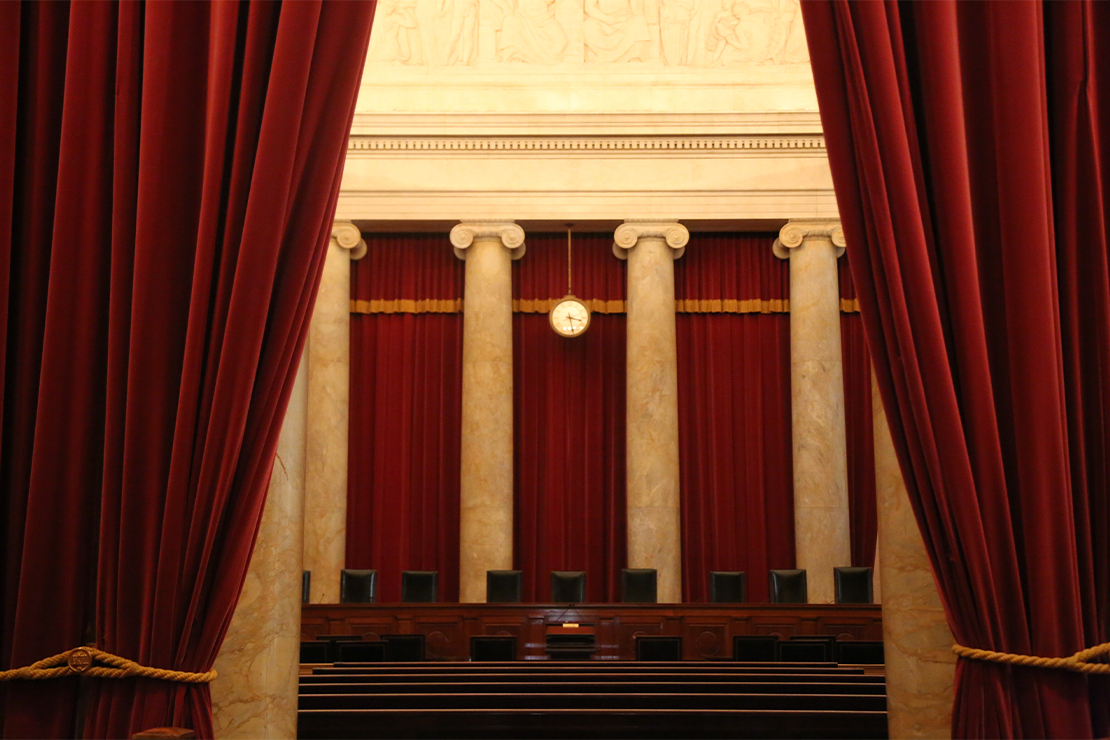
While not “official” Supreme Court cases, the so-called shadow docket, or emergency docket, cases are brought to the court by a state, or a company, or a person who has lost in the lower courts and asks the Supreme Court to block the lower court's order while the case proceeds through the appeals process. The shadow docket is the way many cases today are decided, without full briefing or oral argument, and without any written opinion.
The Trump administration has utilized the shadow docket to address contentious issues – notably immigration enforcement and birthright citizenship – raising alarm over whether the administration is attempting to circumvent the rule of law to enforce unlawful and harmful policies.
A major case on the shadow docket involved Kilmar Armando Abrego Garcia, a Maryland man wrongfully deported to El Salvador. The court largely upheld a district judge’s order for his return. Other immigration-related shadow docket cases include Trump’s use of the Alien Enemies Act to deport Venezuelan detainees to El Salvador. The Supreme Court intervened to temporarily block these deportations. The court also heard arguments in a case challenging Trump’s executive order to end birthright citizenship for children of undocumented immigrants. The administration seeks to limit nationwide blocks on use of the law from lower courts, requesting they apply only to the parties involved. The court has yet to issue any rulings in this case.
Comments
Post a Comment