The Senate voted on Wednesday against a bill that would have been the first major overhaul of asylum and immigration law in a generation — and would have been a disastrous retreat from basic principles of fairness. As our elected leaders continue to debate immigration reforms, they must instead advance humane and sensible solutions that help manage the border without compromising our nation’s values and the safety of people fleeing danger.
Although branded as a compromise bipartisan “border security” package, this bill would have been a major rewrite of our nation’s long-standing asylum laws. To make matters worse, these changes were attached to a supplemental funding bill that also included a massive investment in failed and punitive immigration enforcement policies, such as funding to finish former President Trump’s border wall, an expansion of nationwide immigration detention, and a significant increase in surveillance targeting immigrant families. Although ostensibly dead, Senate Republicans are reportedly trying again to push for another vote on this immigration package as an amendment to foreign aid, plus additional extremist policies that would remove protections from unaccompanied children.
1. It would have shut down the U.S.-Mexico border to asylum seekers
At its core lay a new rule that would have fundamentally blocked asylum for the vast majority of people who come to our southern border seeking protection. Under this new rule, once an average of 5,000 people arrive at the border daily over a seven-day period, or 8,500 people on a single day, no one would be eligible to apply for asylum between ports of entry. Furthermore, the government would have gained the power to enforce this “no-asylum” rule when there is an average of 4,000 people per day over a seven-day period.
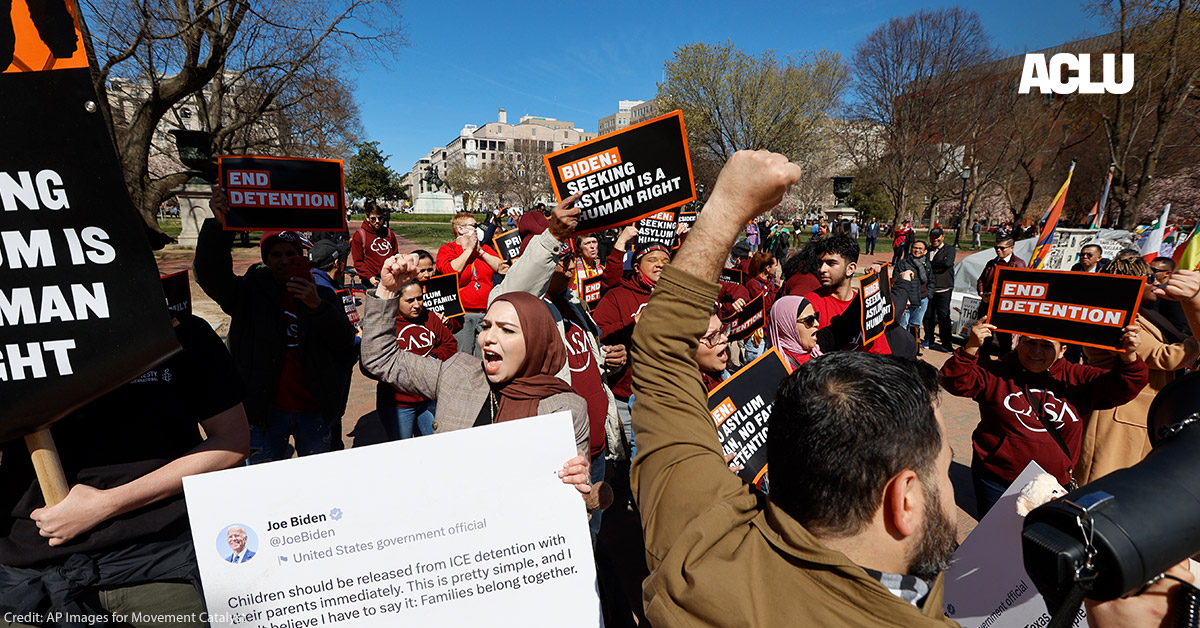
Showing Up to Protect the Right to Seek Asylum
For decades, the ACLU has worked to protect the rights of asylum seekers.
Source: American Civil Liberties Union
This was poised to become an operational nightmare, and there’s no need for speculation regarding the horrible consequences if the government implemented this rule. We need only to look back at the chaotic and violent days under the Trump era Title 42 policy, which similarly closed our asylum system under the guise of public health. During that period over 13,480 people were raped, murdered, kidnapped, tortured, or extorted while waiting for the border to reopen. As history has taught us, this new rule would not have stopped people from seeking safety in the U.S., but people who have undoubtedly been sent back to danger as a result.
2. This plan would have fundamentally changed our country’s core protections for people seeking safety
Even when people were allowed to apply for asylum, they would have been subject to a mind-boggling and dangerous fast-track deportation process, with punishing timelines for those who could not meet new restrictive screening tests.
If passed, the vast majority of asylum seekers would no longer be able to seek court review of their cases, representing a major shift from our asylum and legal system. This would have denied them one of the most essential due process safeguards in a system riddled with errors. Independent judicial review has been a life-saving protection, with courts consistently finding that asylum officers wrongly denied people protection. Asylum officers currently conduct their case screenings and interviews with the understanding that their work will be checked by an immigration judge. Eliminating that legal review would have meant sacrificing basic fairness in cases where life or death is at stake.
3. An unprecedented increase in funding for punitive immigration policies would have been a waste of taxpayer dollars
The other major story about this bill is the money. It was a shockingly punitive, pro-detention bill that revived the construction of Trump’s failed border wall and included an unprecedented $3.2 billion for immigration detention — more than even allocated or requested under the previous administration. The bill also included over a billion dollars for surveillance technology that would subject individuals and families to 24-hour suspicionless surveillance. This amounted to $4.5 billion dollars directed towards harmful and punitive immigration enforcement measures that would have impacted all immigrant families throughout the United States. Most of that funding would have lined the pockets of the for-profit prison industry, which stands to get billions more in taxpayer dollars and without the overdue oversight and accountability.
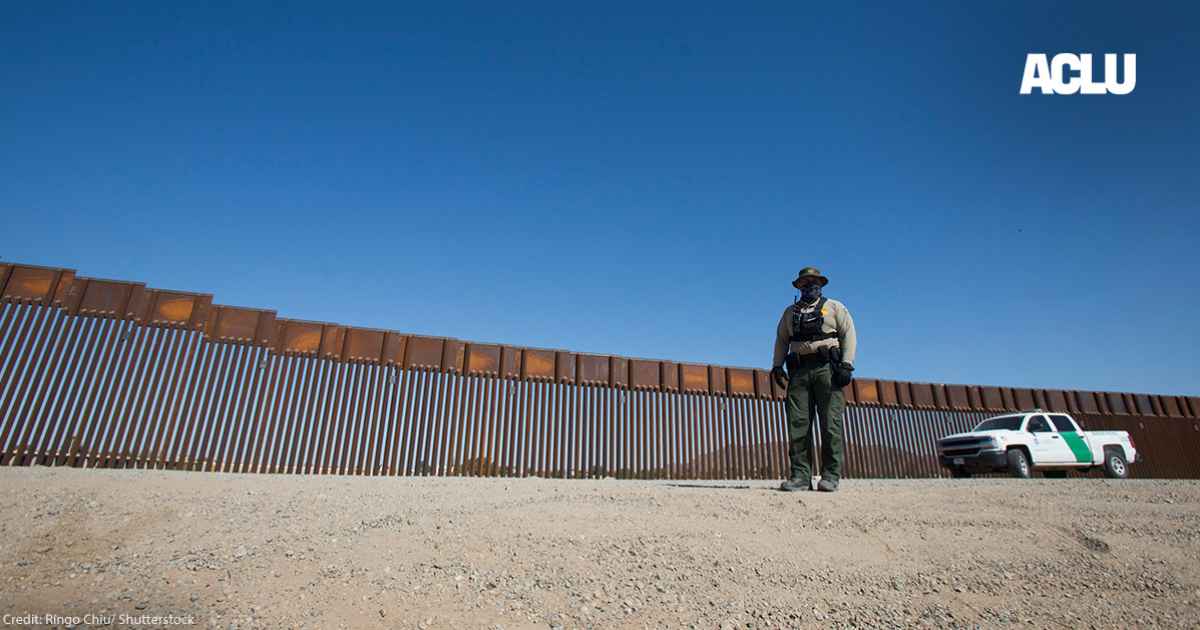
What’s Hiding in the Immigration & Border Deal? More Mass Surveillance
Congress is considering expanding a harmful surveillance program. A second Trump presidency could make those risks even more severe.
Source: ACLU of Oregon
In addition to the unimaginable harm inflicted on immigrant families, the bill would have permanently undermined our moral standing in the world, and ensured the return of people to danger and even death.
There is no denying the need for real changes at our southern border. However, none of these callous and extremist policies were ever going to “fix” the border: they wouldn’t have created a fairer immigration system or helped cities, states, and communities support and welcome new immigrants. What’s more, they wouldn’t even have deterred people from seeking protection or opportunities here in the U.S., as their proponents suggested. This bill would have essentially altered who we are as a country without improving the situation at the border from any perspective.
With thanks to Senators Markey, Menendez, Padilla, Sanders, and Warren, all of whom voted against this deal, this harmful legislation will no longer move forward — but our work here isn’t done just yet. Now it’s time for all our elected leaders to take this failed vote as an opportunity to finally get immigration reform right and ensure we pass sensible and humane solutions to address the challenges at the border.
Comments
Post a Comment