
Immigration has long been used as a wedge issue during election years, and this year was no different. Many candidates peddled falsehoods and racist tropes about an “invasion” to instill fear and win support for their campaigns. America’s Voice, an immigration advocacy organization, identified over 3,200 different paid communications that employed anti-immigrant attacks. And that’s not to mention the cynical publicity stunts by governors who attempted to sow division by placing asylum seekers on flights and buses to communities like Martha’s Vineyard, showing politics at its worst.
However, big spending on anti-immigrant ads largely flopped as a political strategy this election cycle, and immigrants’ rights victories across multiple states showed that a bipartisan pathway toward immigration reform not only exists, but would be popular with voters.
Voters supported driver’s licenses and tuition equity for all
In the two states with high-profile immigration ballot measures, voters rejected fear-based politics.
Massachusetts voters resoundingly upheld a new law that allows undocumented immigrants to apply for driver’s licenses, a key measure for both racial equity and public safety. A broad coalition of labor, faith, and immigrant rights organizations, along with law enforcement officials like sheriffs and district attorneys, endorsed the new law, and voters ultimately reaffirmed their support for the driver’s licenses for all policy by voting yes on Question 4, despite a divisive attempt to repeal it.
Arizona voters approved a bipartisan ballot measure, Proposition 308, that allows Arizona students to pay the reduced in-state tuition rates for public colleges and universities regardless of immigration status. This affirmative endorsement of immigrants’ rights represents a watershed moment in a state once known for anti-immigrant officials like Joe Arpaio. As in Massachusetts, the ballot measure in Arizona garnered support across the ideological spectrum, bringing conservatives and progressives, and business and labor groups together to lead the coalition.
Voters rejected fear-based immigration politics at the polls
While many immigrants’ rights champions in Congress had a good night, several candidates who promoted the Great Replacement theory were defeated. In two bellwether House districts, a candidate who called for a “10-year moratorium on immigration” in order to “lock down our country” and another whose campaign had a heavy focus on the false connection between immigration and drug trafficking both lost their races. While some anti-immigrant candidates saw victories in their states, by and large, many voters across the country rejected the politics of division.
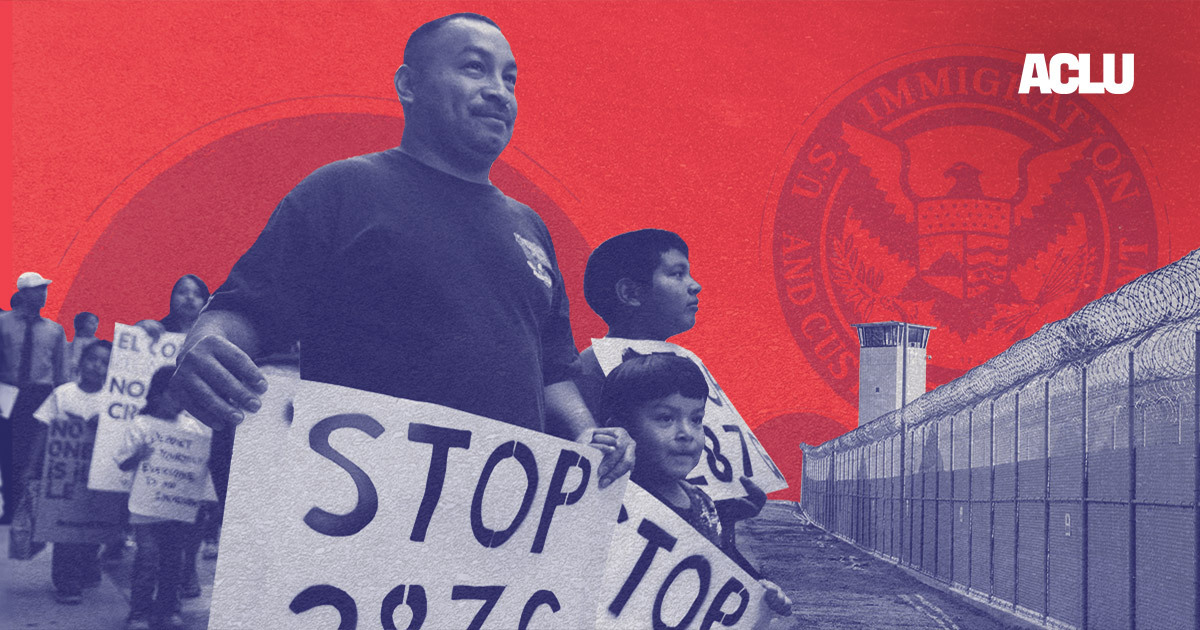
The election also saw voters reject programs that entangle local law enforcement with Immigration Customs and Enforcement (ICE). Residents in two Massachusetts counties backed candidates for sheriff who opposed working with ICE’s 287(g) program, which is notorious for enabling racial profiling and other abuses, and rejected their opponents who supported collaboration with ICE, including one with a record of using violence against immigrants. In North Carolina, a former sheriff who had previously worked with ICE’s 287(g) program failed in his comeback attempt. Similarly, two House candidates who championed the 287(g) program and vocally opposed sanctuary legislation also lost their races.
On the heels of these election results, there is a unique chance to enact policy change. While there are many issues that need to be addressed, Congress can start by:
Ending legal limbo faced by Dreamers, TPS Holders, and other long-term U.S. residents
In this lame duck session, members of Congress have the opportunity to finally provide relief to people in legal limbo. Two-thirds of voters support Congress creating a path to permanent legal status for Dreamers, and 63 percent of voters support creating a pathway to citizenship for undocumented individuals, according to the 2022 Midterm Voter Election Poll conducted by the African American Research Collaborative. Congress should see this broad support as a message that they must work with their colleagues across party lines to pass legislation that creates a roadmap to citizenship.
Restoring and rebuilding the asylum system
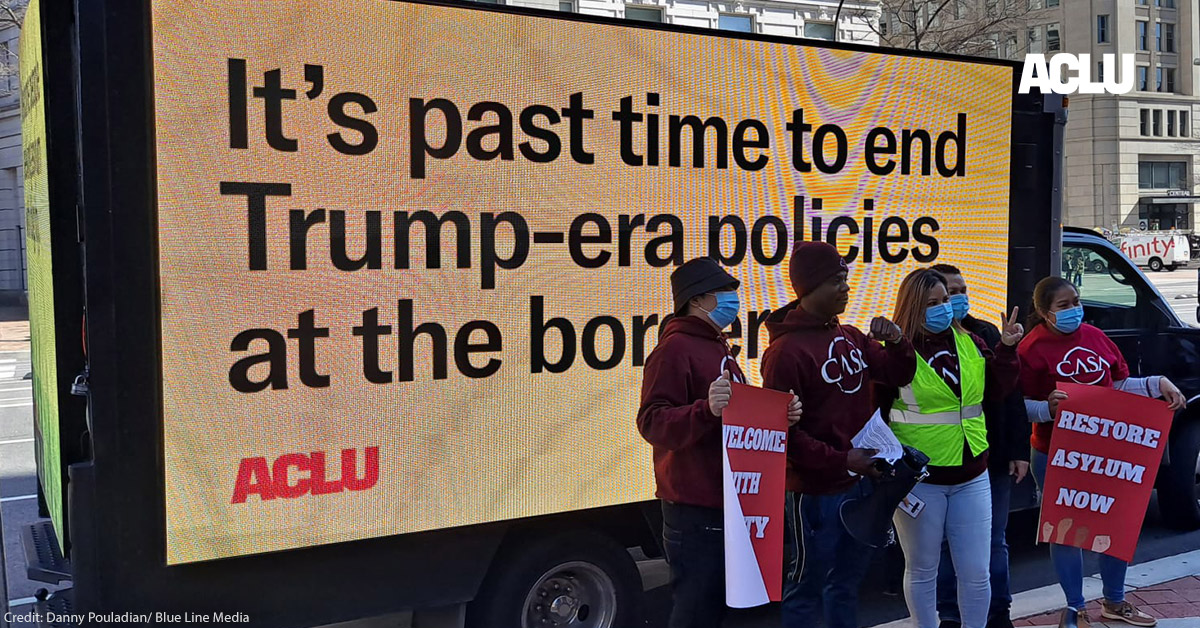
A federal court recently struck down the Title 42 ban, the cruel and unlawful policy which used public health as a false excuse to block so many people from exercising their right to seek asylum, instead sending them straight back into harm’s way. This ruling must finally bring an end to the Title 42 ban. If some members of Congress attempt to override the courts and extend the policy, Congress and the Biden administration should reject such efforts and instead focus on rebuilding a humane, fair, and orderly asylum system.
The Biden administration can also show up for immigrant communities by:
Ending ICE programs that lead to racial profiling
The Department of Homeland Security (DHS) should wind down ICE programs that tap state and local law enforcement agencies to assist in deportations. Many offices involved in the 287(g) program have sordid records of civil rights abuses, including racial profiling and inhumane detention practices, and should not be partners of the Biden administration
Reunifying separated families
The Biden administration inherited immense challenges as a result of former President Trump’s family separation policy, and acted quickly to create the Family Reunification Task Force. The task force must remain diligent in finding still-missing families, and the administration must also deliver safety and care for affected families. This begins by allowing deported families to reunite in the U.S., protecting them from deportation once here, and providing damages and assistance, including trauma-informed care, to begin to repair the tremendous harms done to them. Moreover, the administration must make sure it does not repeat the same cruel policies that led to family separation in the first place.
Closing for-profit detention facilities
DHS should follow through with President Biden’s pledge to end for-profit immigrant detention and terminate contracts that waste taxpayer dollars while filling the coffers of private prison corporations.
Reversing the impacts of the Muslim and African bans by allowing Diversity Visa winners to immigrate to the U.S.
Despite terminating the Muslim and African Bans, many people are still impacted by the remnants of these policies. This includes thousands of Diversity Visa winners who had their visas revoked during the Trump administration as a result of their racist bans. It’s imperative that anyone whose Diversity Visa was blocked or revoked because of these bans have their visa reinstated.
When voters are directly asked questions related to immigration on the ballot, they will support their immigrant neighbors, colleagues, and friends. When voters can be this bold, they are demanding that our elected officials and the Biden administration be bold as well.
Comments
Post a Comment