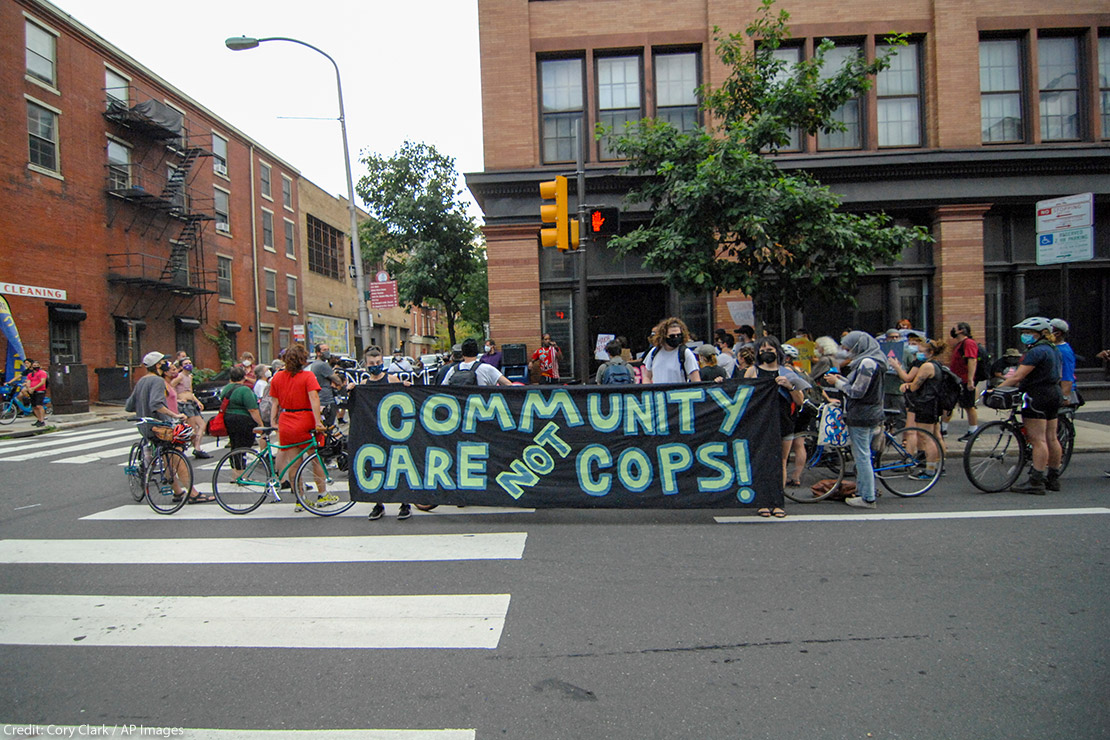
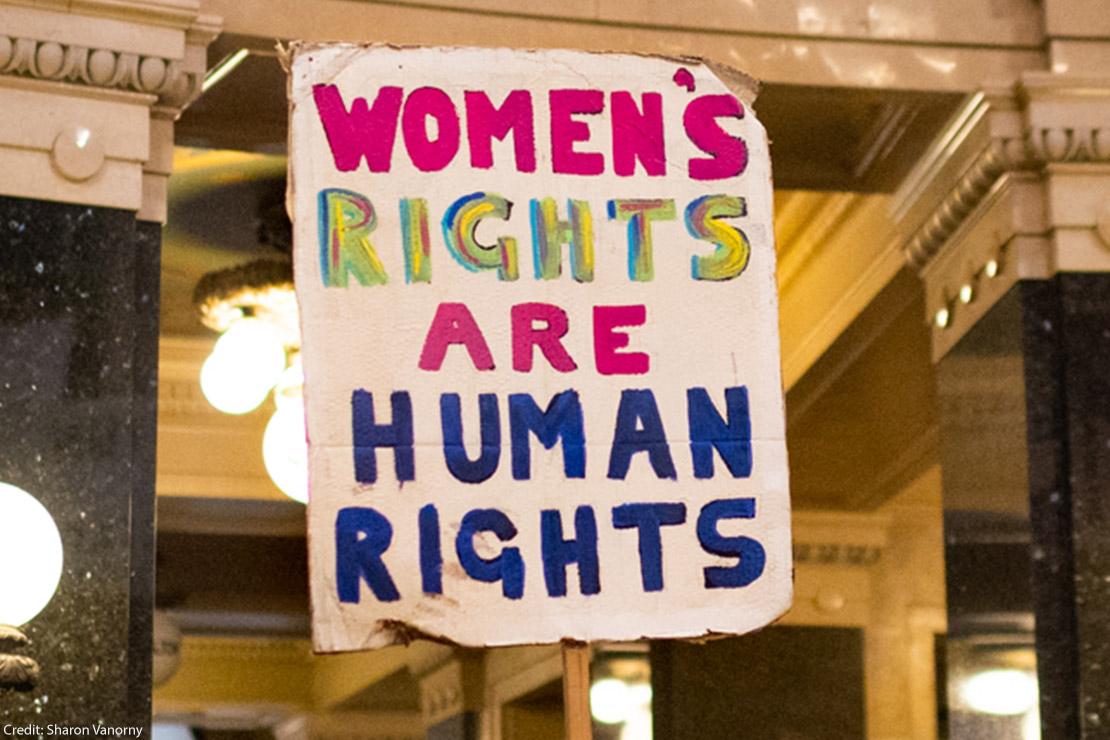
In 1987, 15 years after the Women’s Rights Project was established at the ACLU, March was officially designated as Women’s History Month in the United States. This time is for the celebration of the women whose contributions and achievements have shaped our society. Such a celebration may feel painful at this moment, when we are facing the fall of Roe v. Wade, the Black maternal mortality crisis, as well as ongoing, systemic barriers including the gender wage gap, family policing, lack of affordable housing, and sexual harassment. Yet it is precisely at times like these we need reminders why we still fight – and that we still win. In the perpetual fight for justice and equity, women have not only been essential, but have also consistently led the way. Each March, we must celebrate the progress made, and acknowledge all the work that has been and has yet to be done.
For over 50 years, the ACLU’s Women’s Rights Project (WRP) has been at the forefront of the fight for gender justice. And just as Women’s History Month continues to evolve each year, our work has expanded and developed, with a focus on taking an intersectional approach. Here are four ways we continue to fight for equality:
1. Challenging Discriminatory Dress Codes
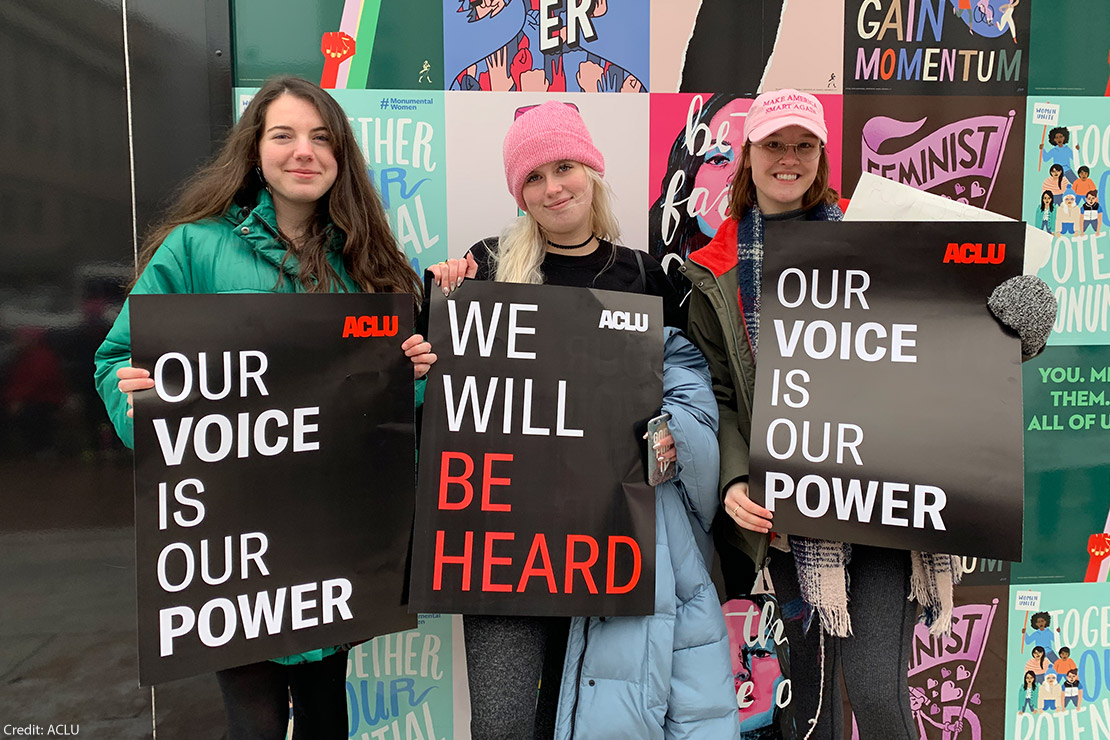
The ACLU has led the way in fighting discriminatory dress codes that reinforce sexist and racist stereotypes in schools and at work. These discriminatory codes target girls, people of color, and members of the LBGTQIA+ community, particularly girls who live at the intersection of those identities. Many students and workers across the county are subject to senseless, sex-based restrictions such as skirts, dresses, and “modest clothing” for women and girls and short hair, pants, and no accessories for men and boys. We successfully challenged a charter school’s “skirts only” rule for girls, which the school adopted based on the belief that every girl is a “fragile vessel.” The school sought to overturn the decision but, in 2023, the Supreme Court left the victory in place. This past year, we also reached a historic settlement with Alaska Airlines to remove all gendered restrictions from its uniform policy for flight attendants.

Across the country, we’ve sought to end the enforcement of discriminatory dress codes in a range of other contexts as well. We’ve fought to end discriminatory dress codes in schools that prevent boys and non-binary students from wearing their hair long, which prevents Native American and Black students, among others, from expressing their cultural and religious traditions. We’ve also worked to end dress codes that penalize student athletes on the girls’ cross-country teams for training in weather-appropriate clothing, as well as those that forbid transgender seniors from attending their high school graduation dressed as themselves.
2. Taking on Housing Policies that Blacklist Black and Brown Women
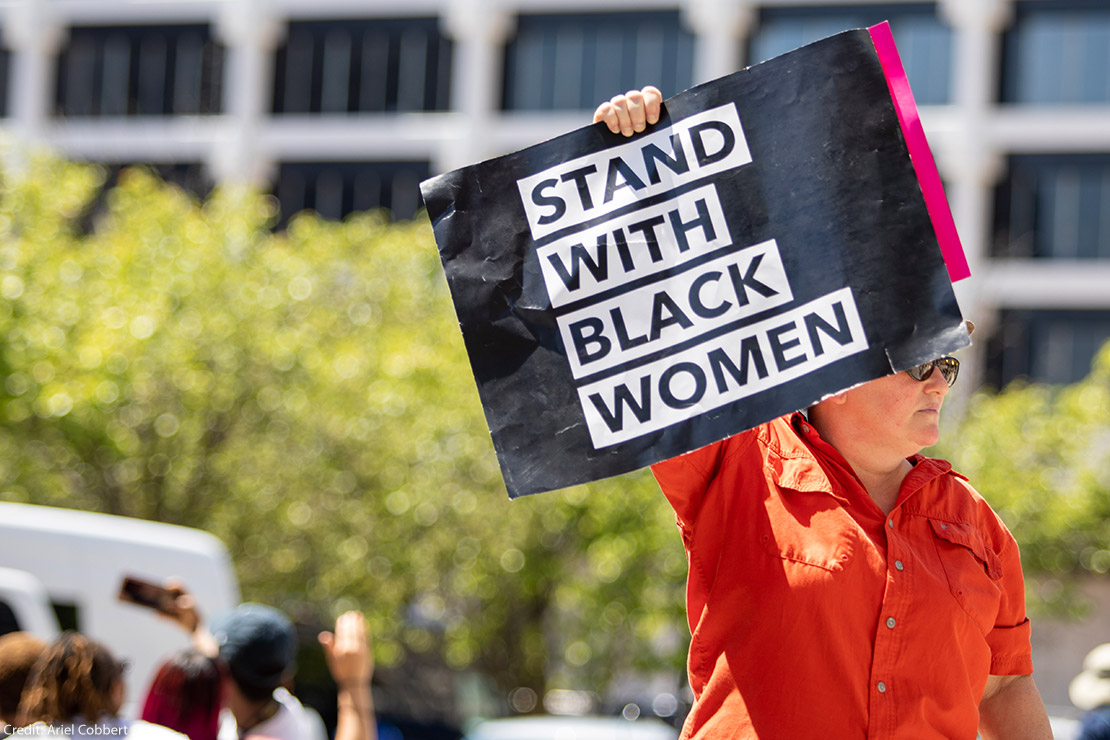
In our fight for housing justice, we have taken on “No-Eviction” policies and other screening policies that disproportionately discriminate against Black renters, particularly Black women. These screening policies block potential renters from housing simply because they are connected to any previous eviction case, even if the case was very old, they ultimately won it, or the legal action against them was unlawfully filed in the first place. Black women are significantly more likely to have eviction cases filed against them by landlords, so these policies in turn impact and destabilize Black women, further perpetuating systemic inequality and segregation. In 2023, we filed two challenges against the use of these screening policies by Chicago-area landlords. These cases were among the first of their kind in the United States and aim to set a precedent for disrupting discriminatory housing practices.
3. Advocating for Pregnant and Lactating Workers
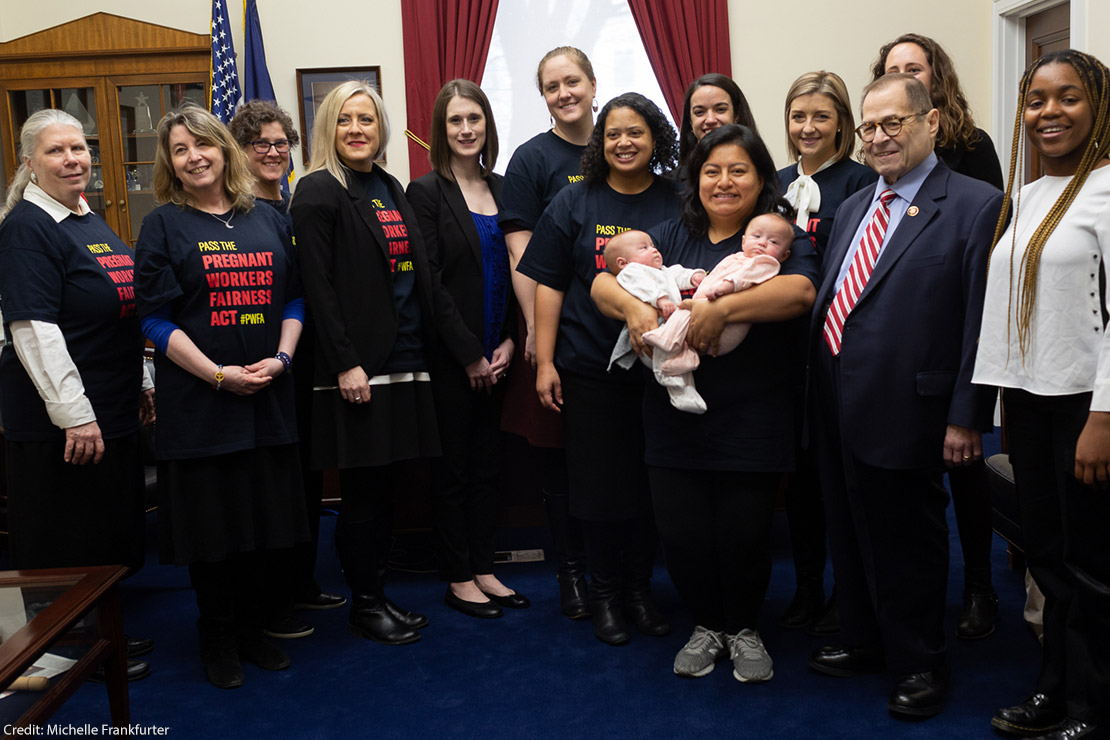
We have long been at the forefront of fighting for the rights of pregnant and breastfeeding workers who experience discrimination in the workplace. Over the past few years, the ACLU was a key advocate for the enactment of the Pregnant Workers Fairness Act and the PUMP for Nursing Mothers Act. These new landmark laws ensure that millions of pregnant and lactating workers have access to reasonable accommodations that allow them to continue working, instead of forcing them to choose between their paycheck and a healthy pregnancy and nursing period. We continue to litigate on behalf of employees who are denied pregnancy-related accommodations and those discriminated against for being pregnant.
4. Fighting the Separation of Black and Brown Families
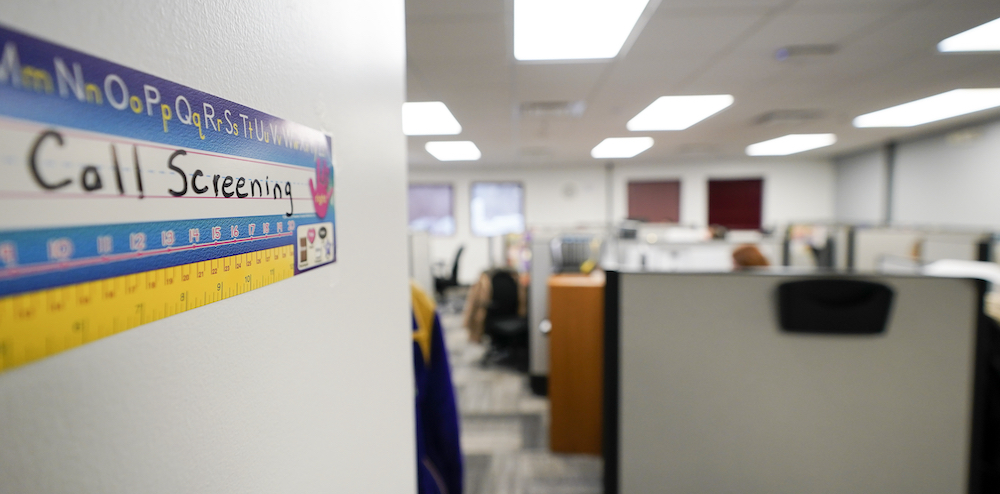
As part of our work on behalf of families of color who are disproportionately impacted by the child welfare system, we have been a strong voice in raising awareness about the widespread use of automated tools by local governments to determine which families to investigate – tools that often heighten the risk of disintegration for Black and Brown families in the United States. In 2023, the ACLU published a report on the discriminatory effects of Allegheny County’s “Family Screening Tool,” which could disproportionately flag family members who were Black or had disabilities for investigation. The ACLU’s report prompted in-depth reporting from the Associated Press and an investigation from the U.S. Department of Justice.
While there is still much work ahead of us, our recent victories give us hope for progress toward a more equitable world for everyone, regardless of gender. We will continue the fight for gender justice alongside everyone who has been and continues to be a part of the movement with us.
Comments
Post a Comment