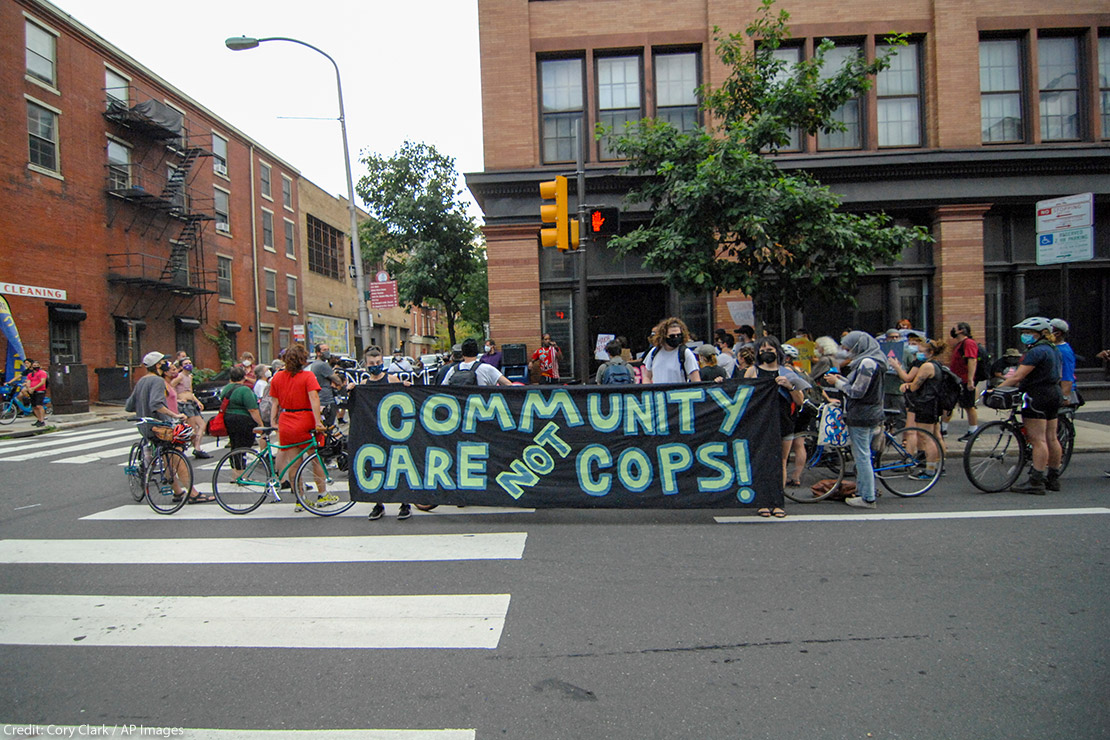
This year, the ACLU continued our defense against challenges to our civil rights and liberties — but we also enjoyed some heartening victories. This advocacy is hard-fought and lasts months, if not years. But we persist in courts, legislatures, and communities, and this persistence pays off. Here are a few of the many wins we saw this year during our enduring fight for our rights.
We empowered voters to protect abortion rights at the polls
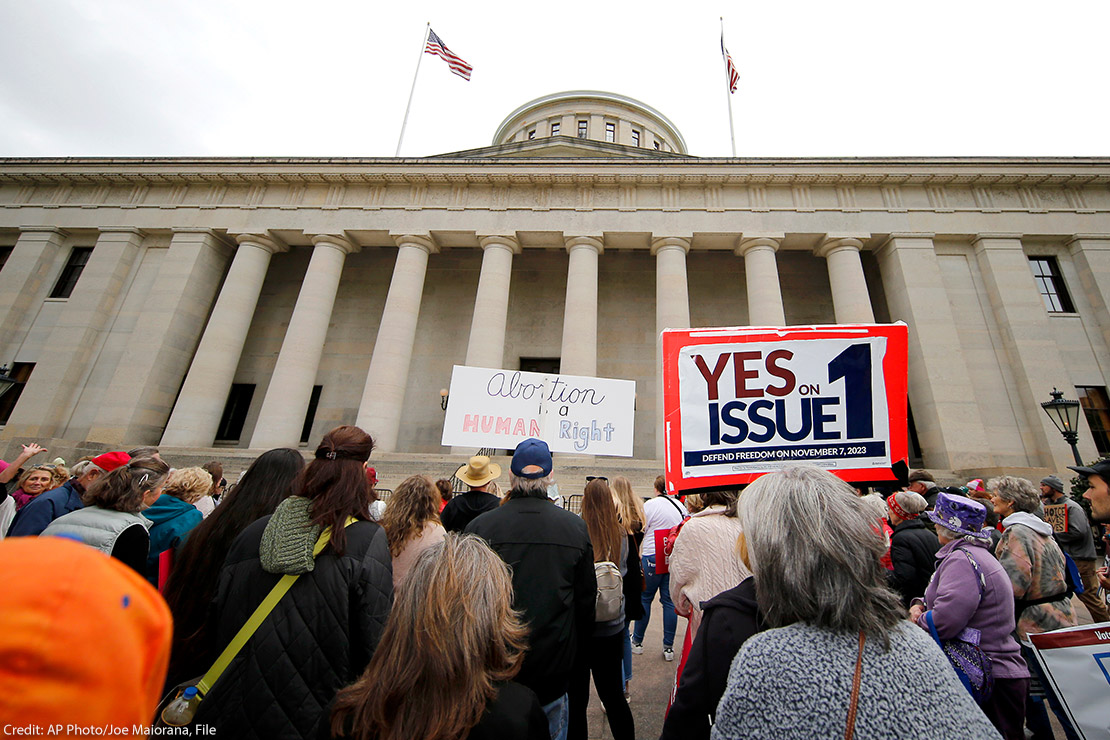
This year’s Election Day saw some critical wins for reproductive freedom, with a majority of individuals in Ohio, Virginia, and Pennsylvania voting to protect abortion rights in their state. The ACLU and affiliates helped play a key role in these victories by educating voters, equipping them with knowledge about the measures and candidates on their ballots.
We helped to remove children from the country’s largest maximum-security adult prison
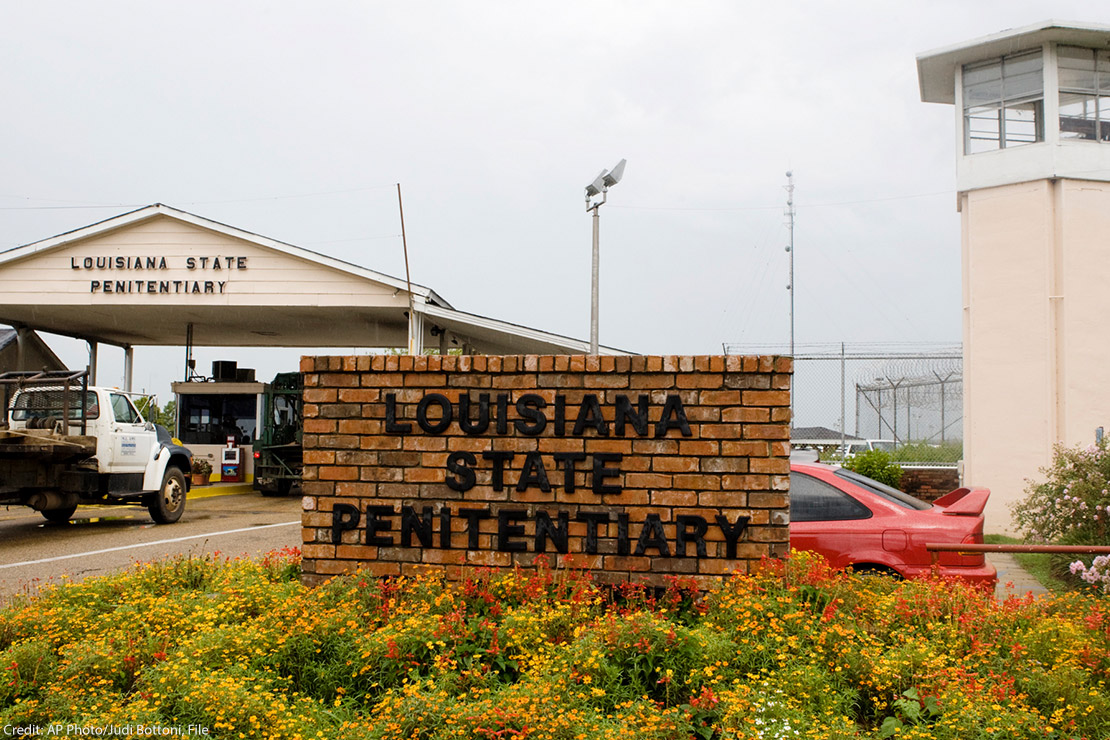
In 2022, Louisiana’s governor made the abhorrent decision to move children in the juvenile justice system to the former death row of the infamous maximum security prison Angola. The ACLU filed a federal lawsuit in an attempt to stop the unconstitutional and dangerous transfer, and continued to advocate for the children’s removal. In September, a judge ruled that the children detained at Angola had been subject to conditions that constituted “cruel and unusual punishment.” The state moved the children to comply with the court order, but continues to fight for the right to use the prison for children again in the future. Our work to prevent this from happening and ensure children in state custody receive the support they need is not over.
We defended an Indigenous student’s right to wear tribal regalia at her graduation

As part of a continued effort to protect students’ rights to wear tribal regalia, the ACLU, our Mississippi affiliate, and the Native American Rights Fund sent a letter to a school board in Mississippi explaining that state law requires public schools to allow Native American students to wear tribal regalia and objects of cultural significance, such as eagle feathers, at graduation. The school board reversed course, and the student was able to attend the ceremony with an eagle feather on her graduation cap.
We prevailed in a critical case for transgender youth

Following a lengthy trial in 2022, and many more months of advocacy alongside our brave plaintiffs, the ACLU saw a favorable ruling in Brandt v. Rutledge, a case challenging an Arkansas law that would prohibit access to medically necessary health care. In June, a federal judge overturned the law banning gender-affirming care in the state, saying it violated the rights of transgender youth, as well as their parents and medical providers.
We saw historic legislation protecting the rights of pregnant workers finally go into effect after years of advocacy

The Pregnant Workers Fairness Act, which strengthens pregnant workers’ access to time off or job modifications, was passed by President Biden in 2022 and went into effect this summer. This followed over a decade of advocacy by the ACLU and our partners, which included representing pregnant workers whose employers refused to accommodate them.
We advocated for tribal sovereignty in a battle that went all the way to the Supreme Court
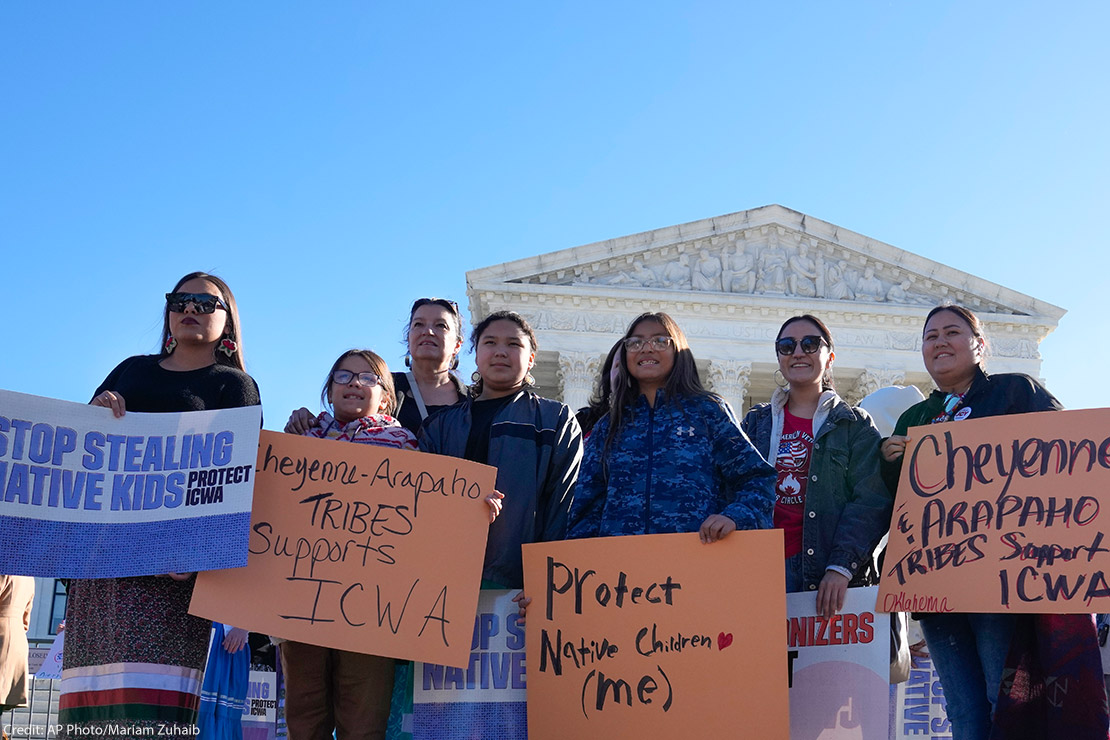
In June, the Supreme Court rejected constitutional challenges to the Indian Child Welfare Act in Brackeen v. Haaland. The federal law helps ensure that Native families stay together by creating a placement preference to promote the stability and security of Native American tribes and families.. The ACLU filed an amicus brief urging the Supreme Court to protect the act.
We celebrated a groundbreaking win against gendered uniform policies at Alaska Airlines

Following an ACLU complaint filed against the company in 2022 on behalf of a nonbinary flight attendant, Alaska Airlines agreed in May to adopt a gender inclusive uniform policy. The legal agreement also requires additional training and education for Alaska Airlines’ more than 20,000 employees, setting an important precedent for other employers in the industry.
We challenged maps that weaken Black political power — and won
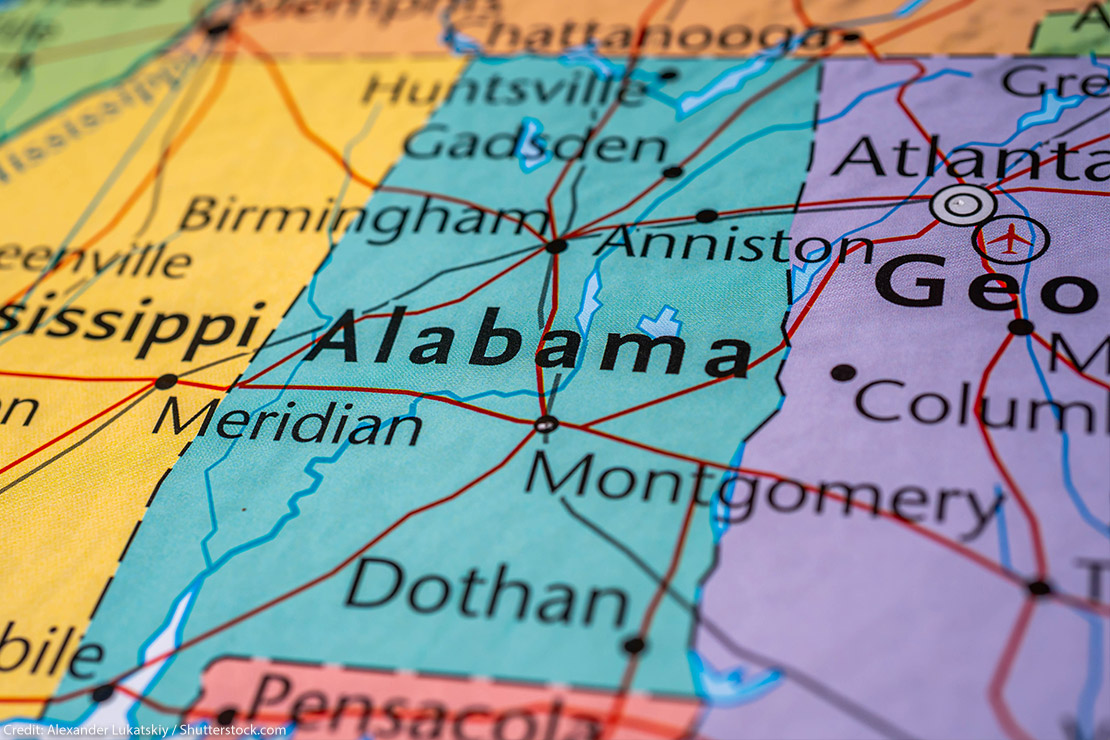
Alongside our partners, we challenged Alabama’s racially discriminatory congressional map, which was redrawn strategically to dilute the voting power of Black communities. This past June, the Supreme Court ruled in our favor, while also affirming that race can be used in the redistricting process to ensure voters of color are not being silenced. This is just one example of our ongoing work to ensure that legislatures accurately reflect their constituencies and to obtain fair representation for Black voters.
Comments
Post a Comment