We're Here to Stay: Black Trans Futures


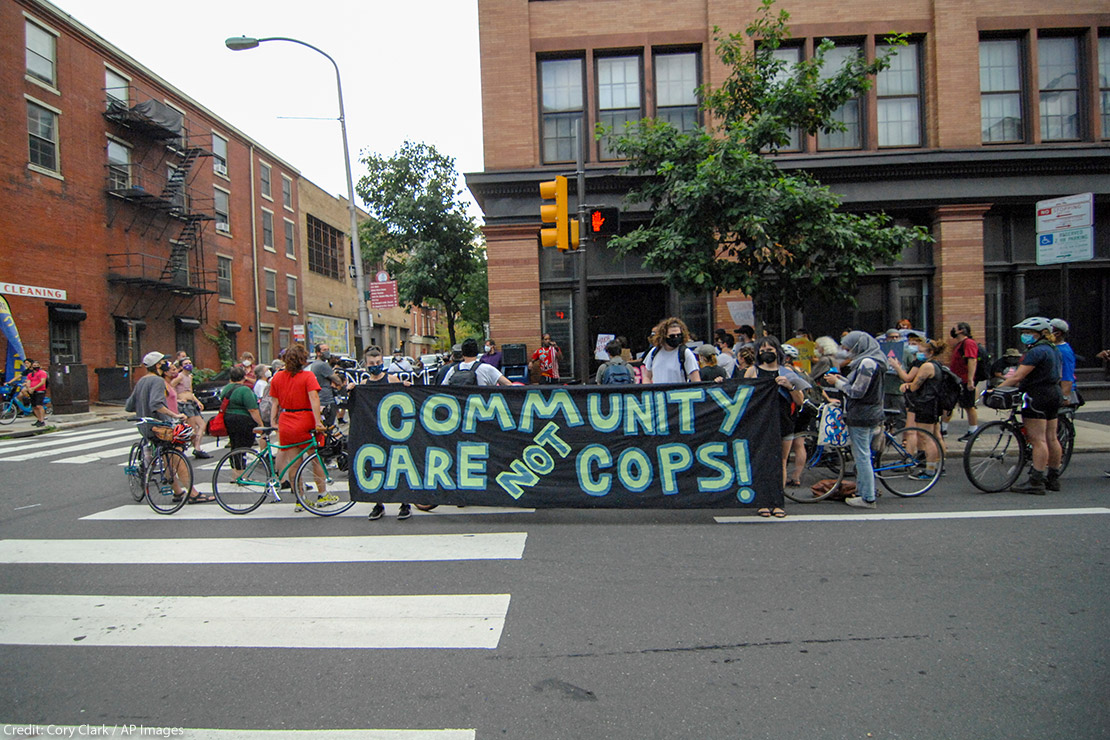
In 2022, Alabama lawmakers passed anti-trans legislation that criminalized gender-affirming care and banned K-12 students from using restrooms consistent with their gender identity. LGBTQ+ organizers from across the state rallied for many years against these harmful bills and are still fighting to this day.

Throughout this stressful time, national press discussed the tragedy of being trans in Alabama and told us that the future, for most queer folks, would be of suffering and sadness. We also watched the media interview (mostly) white parents of trans youth, even though we know many Black trans folks are integral to community building in Alabama.

This gap in storytelling brought about Black Trans Futures, an exhibit and storytelling project. In the wake of hate legislation, the ACLU of Alabama and the Knights & Orchids Society (one of the only Black, trans-led healthcare organizations in the country) came together to highlight the futures being built between Black, trans folks. Queer youth and their mentors discussed what keeps us safe, who we show up for, and how we make a road to a Black Trans Future. Here is what they shared:


Ro
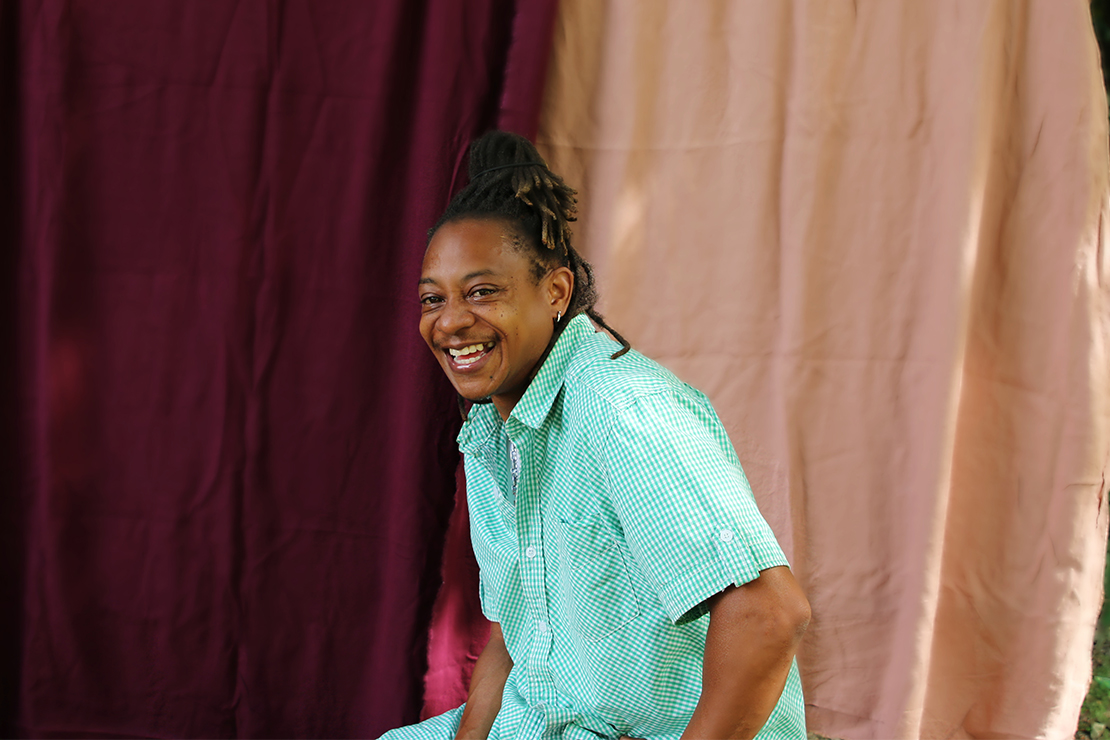
Trans activist Ro Robinson.

Ro Robinson

Credit: Jose Vazquez

“I love my journey. I’m not a man, I’m a trans man and that holds so much power. I can still nurse life and nurture life and at the same time, be masculine. Like, you couldn’t mix that together and duplicate that if you tried. There’s only one Ro and that Ro is special.”

Ro


TC
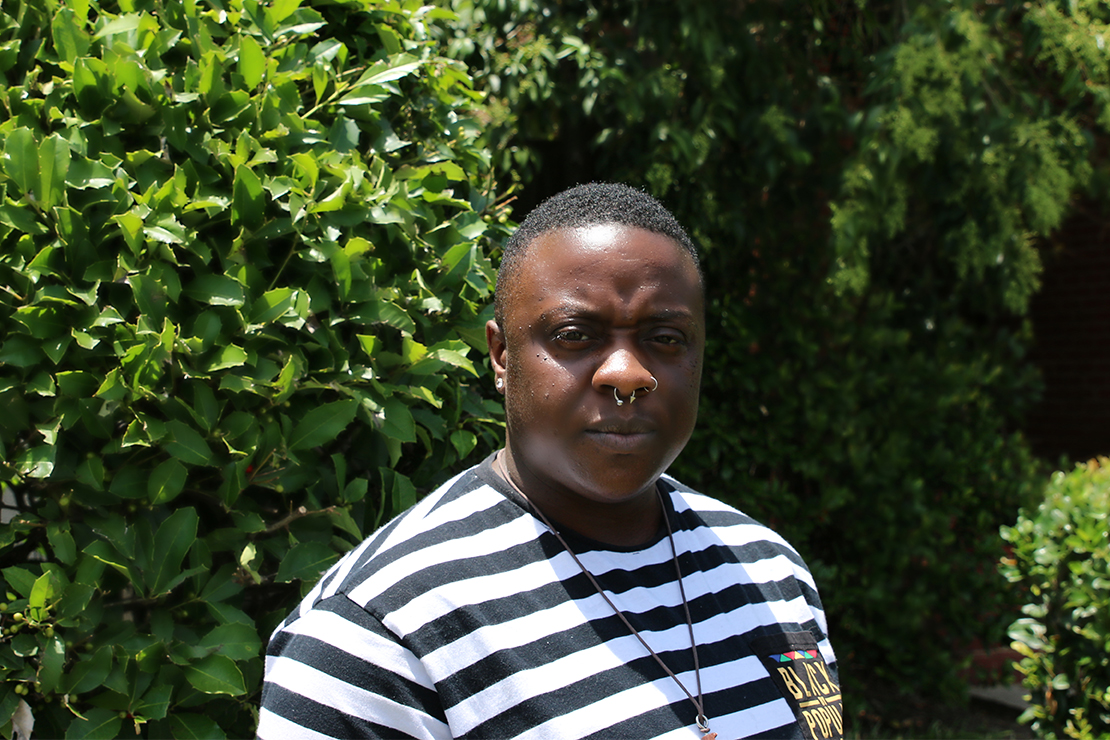
Trans acticist TC Caldwell.

TC Caldwell

Credit: Jose Vazquez

”[Keeping each other safe] looks like communities showing up in the ways that we should and the ways that we need…from mental health services to fun parties to, simply asking ‘have you eaten today?’ to ‘what can I take off your plate?’”

TC


Peyton
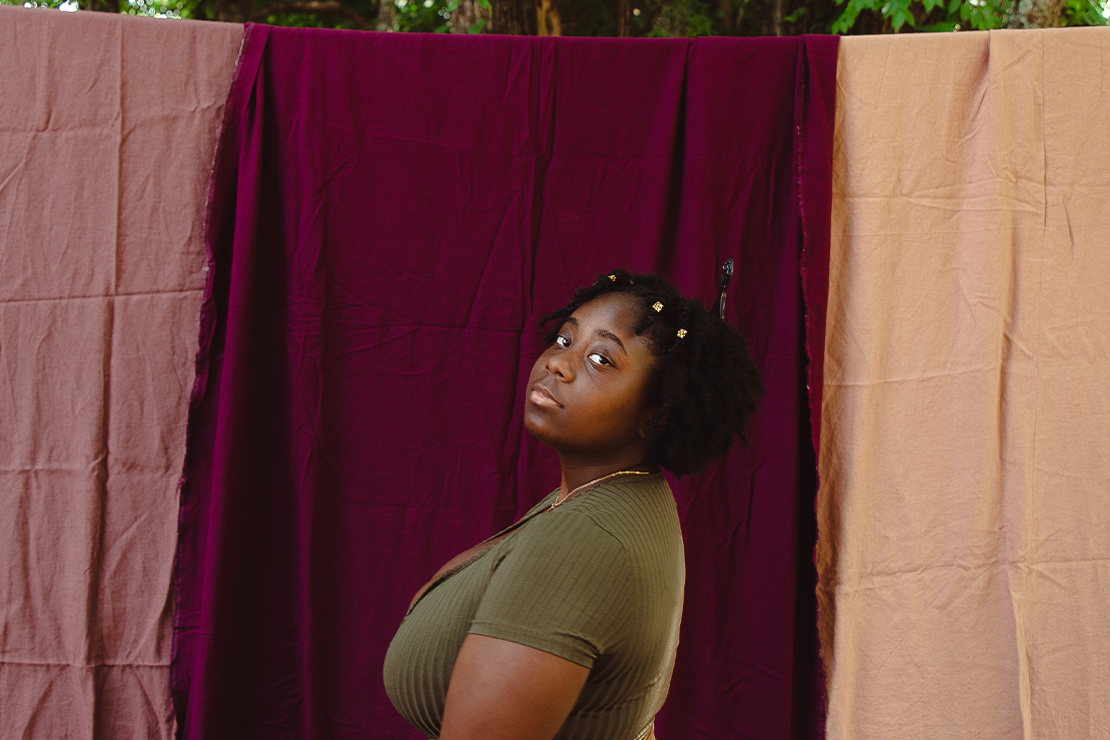
Trans activistPeyton Fullilove.

Peyton Fullilove

Credit: Jose Vazquez

“I love everything about myself. I have come to a point in my life where I can just accept myself for who I am, accept all my physical flaws, my emotional flaws, my mental flaws. But I especially love my hair.”

Peyton

Along with this storytelling project, we created the Black Trans Futures Organizing School — a month-long intensive program with Black, queer youth from across Alabama. These 10 individuals met weekly to develop their practices of protest, resilience, storytelling, and rest.

For the culmination of this project, all the photographs and interviews were transformed into a one-night only art exhibit at the Montgomery Museum of Fine Arts. This was the first event of its kind at the museum. Trans youth saw themselves on museum walls and shared excitement about the history they’re currently making and the futures they’re building while revering the elders that made it possible.

So what is a Black Trans Future? It’s assuring that all needs are met for the community. It’s helping trans youth step into their power. It’s a liberated future free of harm, full of love, and forever beautiful.

We need you with us to keep fighting
Donate today

Comments

Popular posts from this blog

The Supreme Court Declined a Protestors' Rights Case. Here's What You Need to Know.

The Supreme Court recently declined to hear a case, Mckesson v. Doe , that could have affirmed that the First Amendment protects protest organizers from being held liable for illegal actions committed by others present that organizers did not direct or intend. The high court’s decision to not hear the case at this time left in place an opinion by the Fifth Circuit, which covers Louisiana, Mississippi, and Texas, that said a protest organizer could be liable for the independent, violent actions of others based on nothing more than a showing of negligence. Across the country, many people have expressed concern about how the Supreme Court’s decision not to review, or hear, the case at this stage could impact the right to protest. The ACLU, which asked the court to take up the case, breaks down what the court’s denial of review means. What Happened in Mckesson v. Doe? The case, Mckesson v. Doe , was brought by a police officer against DeRay Mckesson , a prominent civil rights activi...

The Young Singaporean's Guide to Saving & Investing on a Small Salary (2025 Edition)

The Young Singaporean’s Guide to Saving and Investing on a Small Salary Introduction Living in Singapore can feel overwhelming when you’re just starting your career. Rents are high, kopi prices keep rising, and saving on a monthly salary of $2,500–$3,000 might seem impossible. Yet, many young Singaporeans have proven that with the right habits, even a small income can grow into long-term financial security. The key is to start early, be consistent, and leverage the tools available to you — especially CPF, robo-advisors, and smart budgeting. This guide breaks down practical steps you can take to save and invest, even if you’re earning on the lower side. 💰 1. Start with the Basics: Budgeting the 50/30/20 Way If you’re earning $2,800 a month (a common starting salary for many graduates), here’s how the 50/30/20 rule can be applied in Singapore: 50% Needs ($1,400) – rent, transport (MRT/Grab), phone bills, meals. 30% Want...

Documents Reveal Confusion and Lack of Training in Texas Execution

As Texas seeks to execute Carl Buntion today and Melissa Lucio next week, it is worth reflecting on the grave and irreversible failures that occurred when the state executed Quintin Jones on May 19, 2021. For the first time in its history — and in violation of a federal court’s directive and the Texas Administrative Code — Texas excluded the media from witnessing the state’s execution of Quintin Jones. In the months that followed, Texas executed two additional people without providing any assurance that the underlying dysfunction causing errors at Mr. Jones’ execution were addressed. This is particularly concerning given that Texas has executed far more people than any other state and has botched numerous executions. The First Amendment guarantees the public and the press have a right to observe executions. Media access to executions is a critical form of public oversight as the government exerts its power to end a human life. Consistent with Texas policy, two reporters travelled t...