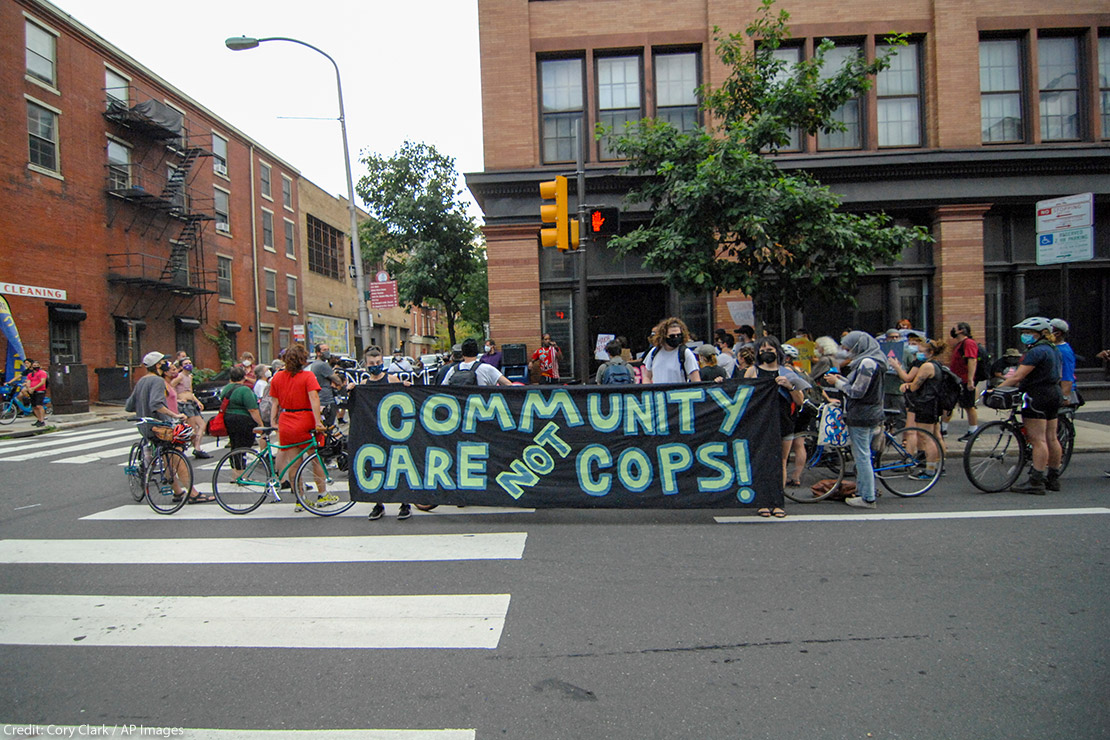
Access to abortion has been decimated in the United States since June when the Supreme Court overturned Roe v. Wade and took away our right to control our own bodies. Laws banning abortion are now in effect in more than a dozen states, denying more than 20 million people of reproductive age access to essential health care. And as hideous as this is, we know that is only the latest step in their plan to ban abortion and other essential health care nationwide.
The next step in their plan is an attempt to impose a nationwide ban on mifepristone — one of two medications in a regimen that accounts for more than half the abortions in this country. This would be a ban in every state in the nation — even in states where abortion is legal and protected under state law.
In any rational universe, this case would be laughed out of court on multiple grounds. Mifepristone was approved more than two decades ago and has been used by millions of people for early abortion care and to treat miscarriages. Study after study has confirmed its safety and efficacy, and its critical role in abortion and miscarriage care. The claims in this case have no basis in law and distort decades of scientific evidence.
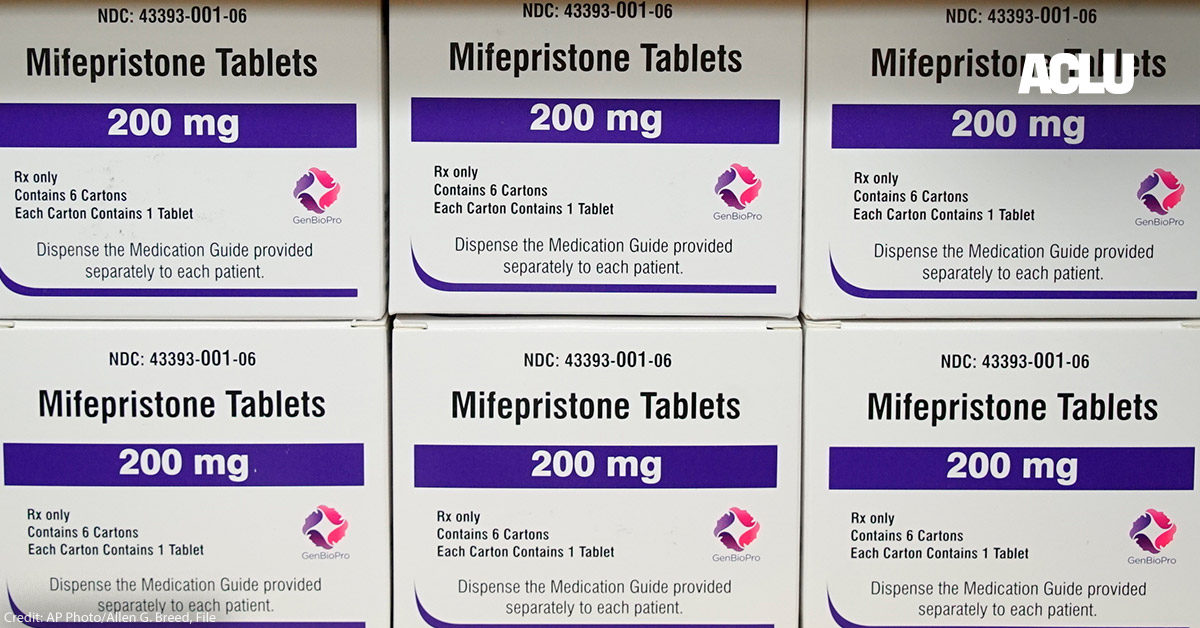
The case was filed by an organization known as Alliance Defending Freedom (ADF), which has been labeled a hate group, and helped write the Mississippi law which the Supreme Court used to overturn Roe v. Wade. They are going so far as to use a 150-year-old anti-obscenity law, the Comstock Act, to argue that it’s illegal to send or receive mifepristone, and any other medication or device used to provide an abortion, through the mail. That’s a wild claim that has never been accepted.
But if these claims are so wild and unprecedented, why are we concerned? Here’s the thing: ADF was able to hand-select their judge and just happened to pick one who, before he was appointed to the bench by President Trump, worked for an organization that represents business owners who discriminate against LGBTQ people and public school employees who coerce students to pray on school grounds.
And since his appointment to the bench, he has issued a series of radical decisions on everything from immigrants’ rights to trans justice to birth control. In fact, the judge has said it was an “open question” whether politicians could make it a crime to use contraception. That’s right — whether states can outlaw birth control. This is the judge who will decide whether mifepristone can remain on the market.
We won’t let this happen without a fight. We’ve been doing everything in our power to increase access to medication abortion and other essential reproductive health care. In recent years, we’ve filed two cases on behalf of leading medical associations, physicians, and reproductive justice advocates, aiming to get rid of the FDA’s medically unnecessary restrictions on mifepristone. Our lawsuit prompted the FDA to remove some of those barriers and led to its finally permitting people to get the medication from a pharmacy, after consultation with their health care provider, rather than having to travel in person to an abortion clinic.
As this case develops, we’ll continue working with government officials and our partners to respond to any ruling that takes away a safe, effective, and common method for medication abortion.
At the same, we continue to fight the state bans. We have blocked bans in Arizona, Indiana, Iowa, Michigan, Ohio, and Utah. We are asking the state supreme courts in Kentucky, Georgia, and Florida to step in and block those states’ bans. And earlier this month, we filed a new case in West Virginia challenging provisions of the state’s total abortion ban.
We will not stop fighting until everyone can get the care they need, no matter who they are, where they live, or how much money they have.
Comments
Post a Comment