With the midterms coming up, we are chatting with some of our great volunteers about what issues are most important to them, and how they motivate voters to cast their ballots. We hope these conversations inspire you to vote for your values and join us in this once-in-a-generation battle to protect our nation.
This week, we spoke to Marci Iacobucci, a Brooklyn-based team leader with the ACLU People Power phone bank team since 2017. Marci is the senior vice president, executive creative director at DDB Worldwide, a marketing agency, serves on the board of Open Pride, and is co-chair of Omni Women. But even with her busy schedule, Marci still finds time to volunteer and to be active in her community. As she puts it, being involved is in her bones.
https://go.peoplepower.org/signup/vote-your-values-fight-for-rights/
ACLU: What motivated you to get involved with the ACLU as a volunteer?
MI: Civil rights and civil liberties have always been important to me, but we all know the day they became under threat. In looking to get involved, I went to the Women’s March. I also marched in Washington, but showing up is only the first step. I wanted to know what I could do next. I started looking into organizations that are effective in their advocacy efforts. I researched organizations, went to meetings, and joined different groups. My time is valuable, so I wanted to make sure that what I was doing was effective. I also knew that it couldn’t just be focused on one issue or only election focused. It became very apparent that the ACLU is organized, it’s doing big things and it wouldn’t peter out. A lot of these efforts start with a whole bunch of steam and people don’t realize how hard it is to sustain an organization. That’s why I chose the ACLU.
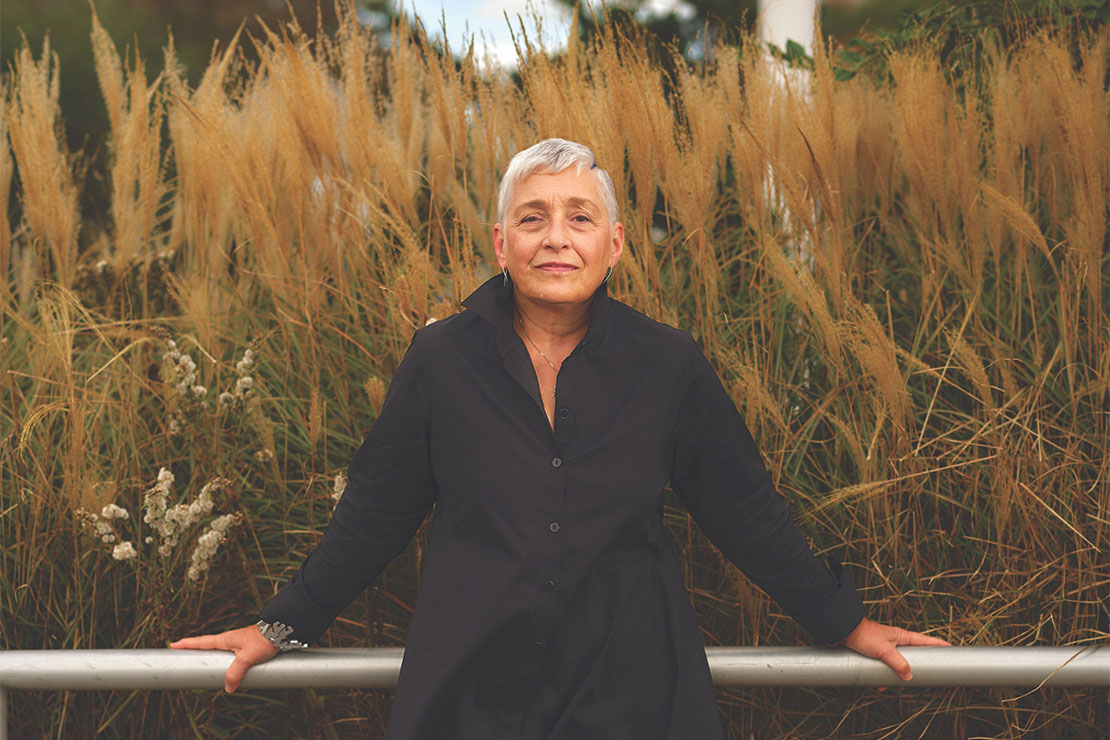
Marci Iacobucci, a Brooklyn-based team leader with the ACLU People Power phone bank team.
Image courtesy of Marci Iacobucci
ACLU: What experiences have informed your activism?
MI: I am the child my parents raised me to be. My parents were very active in our community. Being involved and making sure we fight for our freedom is in my bones. Even though we were an immigrant family, we came with skills and had a good middle class life. With this privilege came responsibility. The more we had, the more we were obligated to do. There’s no other option because that’s the only thing I know.
ACLU: Why is the right to vote so important to you?
MI: Your vote is your voice. If you want the country to move ahead a certain way and you want it to respect the freedoms you value, then you have to make sure that the people who are making those decisions are the people you trust. You want to put that power in the hands of somebody you trust and who believes the same thing that you do, because it’s the power of life and death. Your vote is the power of your freedom, and if you don’t vote, you can’t complain. If you don’t vote, you’re silent; you’ve just cut your vocal cords.
ACLU: What would you say to people now who are frustrated with the state of our politics?
MI: Powerlessness is exactly what they want you to feel. Whoever you disagree with, they want you to feel like you don’t matter, that you don’t have power and things aren’t going to change. They want you to give up. But the minute you do that, they win. They got in power because people voted them in. It doesn’t seem like a lot, but every journey begins with a single step. Every glass gets filled to overflowing, drop by drop. So, yes, your vote matters, because other people’s votes mattered.
Your vote is your voice. If you want the country to move ahead a certain way and respect the freedoms you value, then you have to make sure the decision-makers are the people you trust.
ACLU: What has surprised you over the years in your activism?
MI: I’m surprised to see how much of volunteer grassroots work is done by women. When I look at the volume of people that are active, volunteering and leading these things, it’s mainly women. This includes women of color and women with disabilities. We are doing the hard work, making the phone calls, doing the unsung, unglamorous work. That to me was the biggest surprise.
ACLU: Why did you decide to share your story? And what else do you want people to know about your experience?
MI: I’m excited to share my story because I want other people to be excited about the future, and to know there’s hope. When there’s a problem, I always say, what are you going to do about it? This gives you a chance to do something. I’m hoping other people will see that they can actually have an impact on the world no matter who they are. Even if it’s sending one batch of texts a week, or jumping on phone calls for half an hour, or doing something on the event map, you can make a difference. You just have to see yourself as part of an aggregated effort. I took one of the bumper stickers that said “vote like your rights depend on it” and I stuck it on my suitcase. I just figured you just never know, even just a little action like that could have an effect, and I would get people to engage me in conversations. Literally, people would reach out and ask me about it. You just don’t even know how something as simple as that can make a difference.
Interested in working with people like Marci to defend our rights? Find out more about how to get involved here.
https://www.aclu.org/news/voting-rights/midterm-elections-how-these-offices-impact-your-rights
Comments
Post a Comment