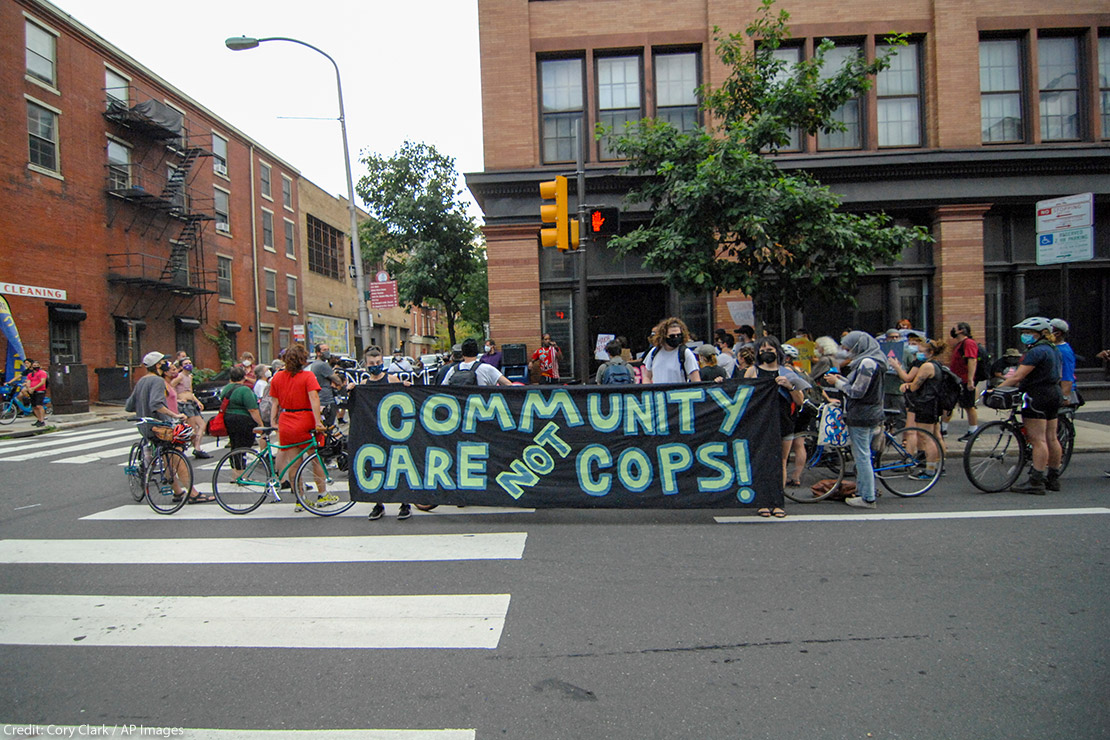
With the increasing likelihood that the Supreme Court will overturn Roe v. Wade, the rights and lives of millions are on the line. But this fight isn’t just taking place at the Supreme Court. Here’s how you can take action.
Pledge
No matter where you live, you can join the fight and support our partners fighting for abortion rights. A good place to start? Take the pledge to show your support.
Mobilize
The ACLU is joining partners in a nationwide mobilization on Saturday, May 14. RSVP now to join a Bans Off rally near you.
https://www.plannedparenthoodaction.org/rightfully-ours/bans-off-our-bodies#events
Text
Can’t attend a rally or would prefer a more remote option? Text FIGHTBACK to 826-23 to join ACLU alerts for more actions and updates on the crucial work ahead – delivered right to your phone.*
Talk
Check out our guide to discussing abortion rights at the dinner table.
Vote
Credit: Gwen Schroeder
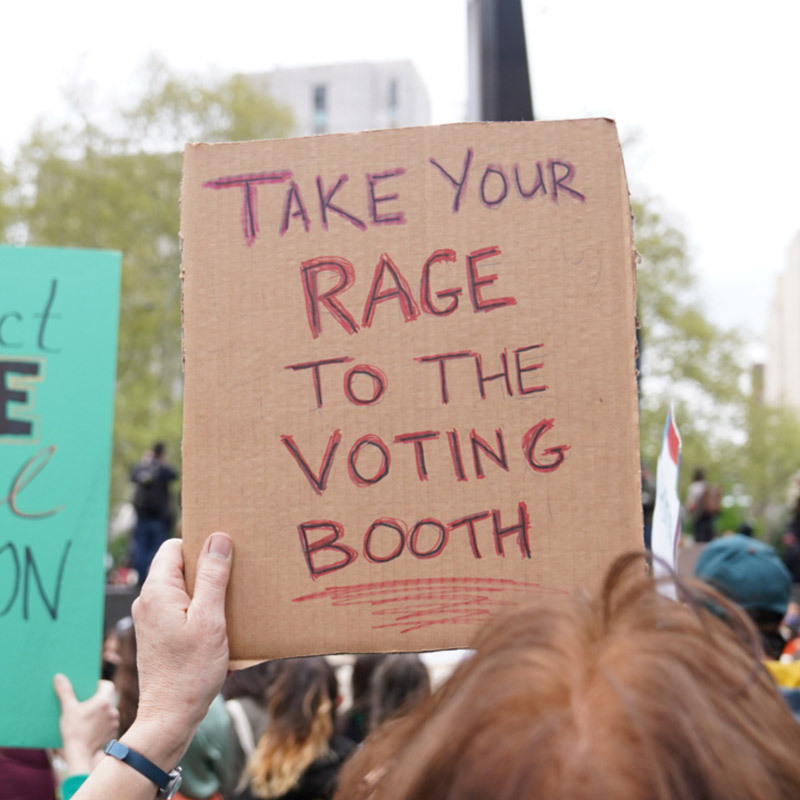
As we head into the midterm elections and prepare for the 2024 national election, we must center abortion in the public debate for all elected officials, and support candidates who unequivocally support abortion rights. You can ask your elected officials and local candidates where they stand on reproductive rights, and demand commitments to protecting abortion access. To fight back, research your candidates and spread the word.
Donate
Across the country, abortion funds are helping people access care by providing financial assistance to patients in need. You can help expand the impact by donating to an abortion fund today.
For more information on how to get support when seeking an abortion, check out the National Network of Abortion Funds.
You can also donate to help the ACLU continue our fight for reproductive freedom. Together, we will work toward a better future — one in which everyone is free to make decisions about their own lives and futures.
Credit: Gwen Schroeder
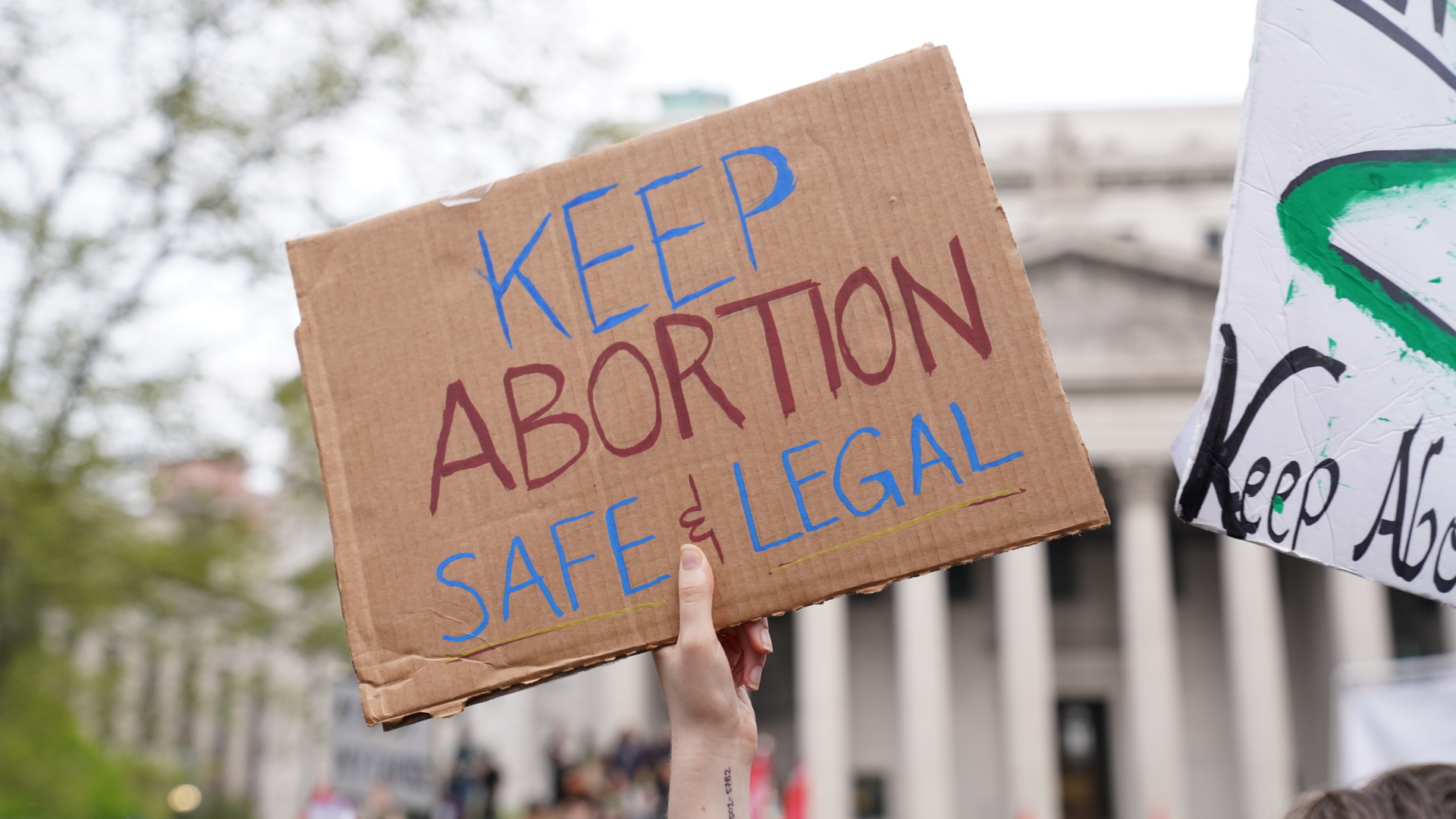
In courthouses and state legislatures across the country, the ACLU is challenging abortion restrictions and promoting abortion access in close collaboration with local providers and our partners. We’ve already shown we can win, and our strategies continue to evolve as the fight for bodily autonomy does. Our advocacy efforts have helped pass legislation protecting or expanding abortion access in Illinois, Massachusetts, New Jersey, and Rhode Island. And after years of advocacy, we won a federal lawsuit challenging a Food and Drug Administration (FDA) rule that required patients seeking mifepristone, a safe drug used for abortion, to pick up the pill in- person at a medical facility. The FDA has permanently repealed the in-person dispensing requirement since that victory, expanding essential access to abortion in states across the country.
Whatever the Supreme Court decides about Roe, the ACLU will never stop defending people’s right to decide when and whether to have a child, and to ensure that everyone who has decided to have an abortion has access to the care and support they need. The ACLU has been fighting for abortion access since before Roe v. Wade was decided, and the work continues. We are committed to using the full force of the organization to do this. We will continue to fight in the courts, in statehouses, and in Congress, at the ballot box through ballot measures and other races, and in the streets — not just today — for as long as it takes.
*By texting FIGHTBACK to 826-23 you are agreeing to receive phone calls and texts (including automated recurring text messages) from the ACLU and its state affiliates at the contacts provided. Message & Data Rates May Apply. Text STOP to opt out of automated texts. Privacy statement.
Comments
Post a Comment